Episode summary
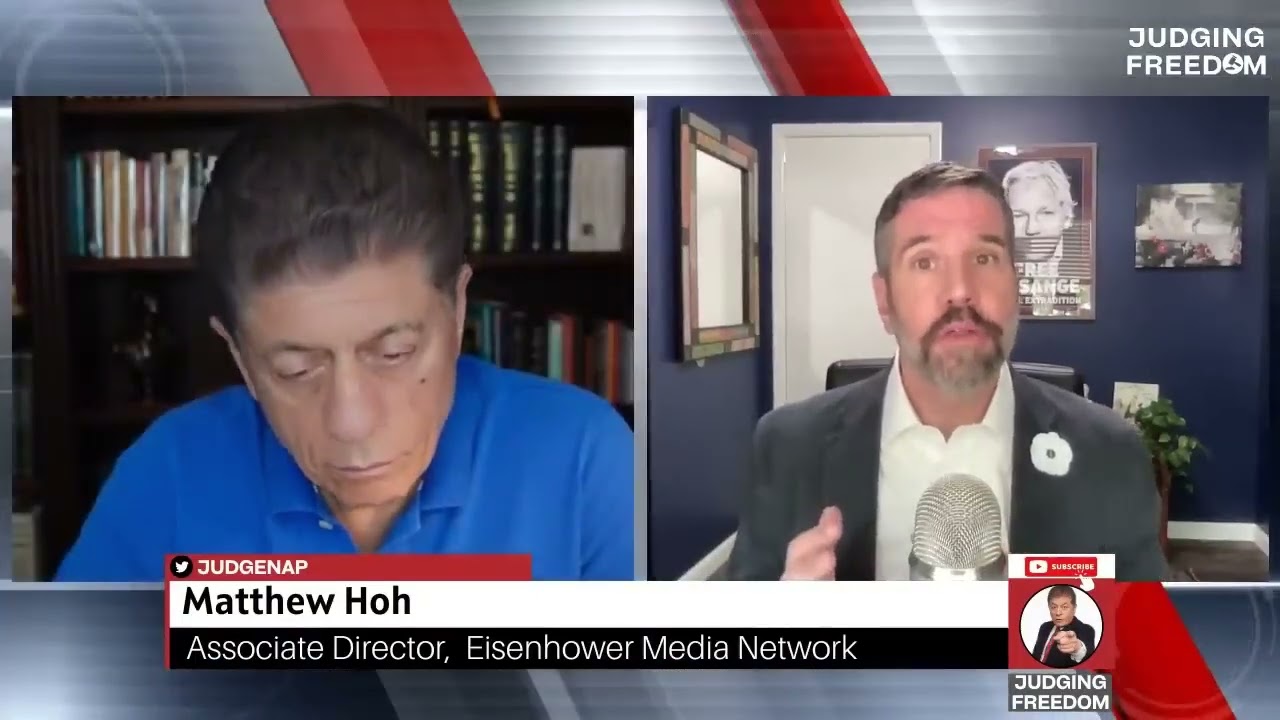
The host discusses the Pentagon's announcement to send cluster munitions to Ukraine with military analyst Matthew, focusing on the implications of this controversial decision. The conversation reveals that Europe and the United States have reached critically low levels of conventional munitions supplies, forcing reliance on cluster bombs despite their legal and moral controversies. Matthew explains that cluster munitions contain hundreds of submunitions with high dud rates, meaning many fail to explode and remain dangerous for decades to civilians and military forces alike. He cites the first Iraq War, where more than half of American casualties from explosive events came from U.S. cluster munitions. The timing coincides with Ukraine's poorly executed counteroffensive and an upcoming NATO meeting in Lithuania where Ukrainian membership will be discussed. Matthew argues that the decision demonstrates desperation rather than strategy, as munitions factories cannot produce sufficient conventional artillery shells. He contends that neither side possesses wonder weapons capable of decisive victory, and that continued weapons shipments only prove the futility of military solutions. The episode opens with a teaser about an upcoming interview with RFK Jr. discussing Julian Assange and what a Kennedy presidency would do on day one. Throughout the discussion, Matthew emphasizes that negotiations, not additional weapons systems like F-16s or Abrams tanks, represent the only viable path to ending the conflict.