Mike Drop
Episode overview

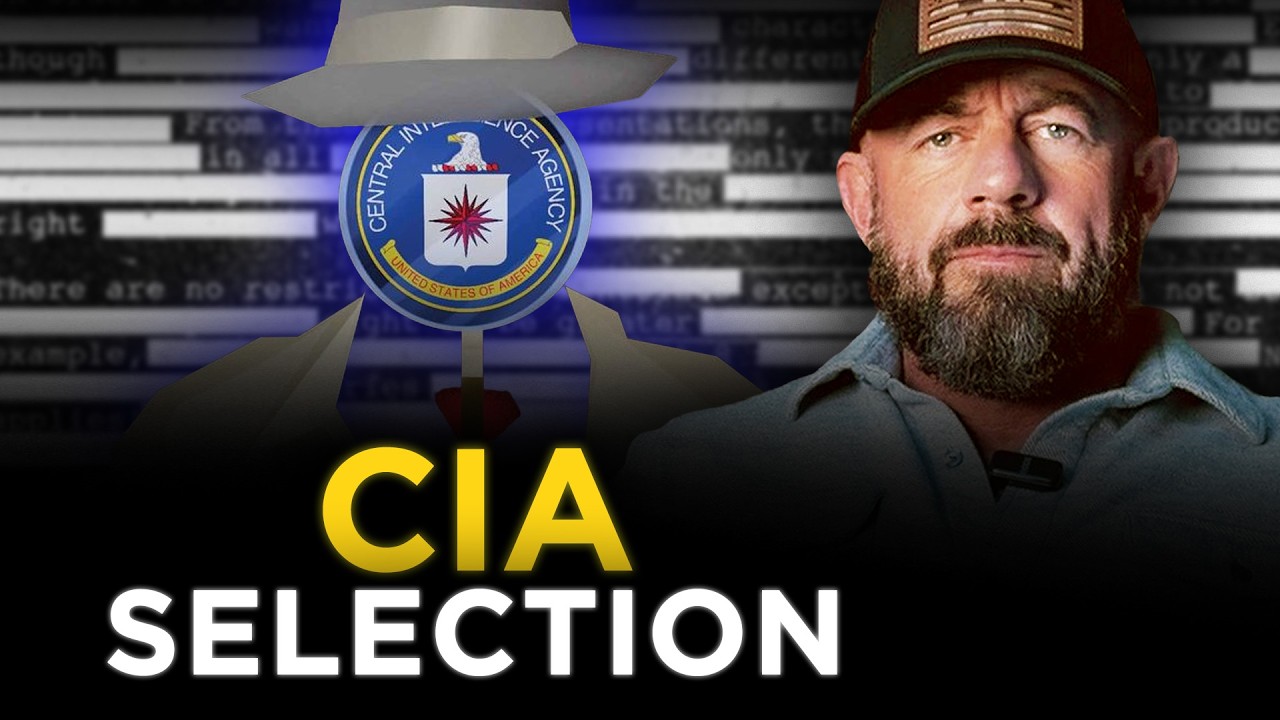
Ex-CIA Spy Reveals What Selection is Really Like & What They Look For

Mike Drop · 22m · 3 Egleze moments
Ex-CIA Spy Reveals What Selection is Really Like & What They Look For
Episode summary

A former CIA staff officer provides rare insight into agency operations, recruitment secrecy, and systemic failures in addressing child trafficking during multiple deployments in Afghanistan and other conflict zones. The guest, who served as a protective agent and later as a country team leader in a nuclear-armed Islamic nation, reveals that the CIA recruitment process is so classified that discussing it can result in handcuffs and criminal charges. He describes the agency's concern that adversaries could exploit knowledge of screening criteria and procedures to infiltrate the organization. During his service in Helmand Province, Afghanistan, the officer encountered smoking gun intelligence on a trafficker using young boys to test bombs across the Afghanistan-Pakistan border. He discovered the intelligence had no routing destination within CIA or military systems because child trafficking fell outside both organizations' operational mandates. His subsequent investigation revealed no operators had ever been assigned human trafficking targets despite widespread evidence of the crime in conflict zones. The officer also describes running high-risk joint operations with British intelligence, including one involving urban sniper teams targeting a high-value individual of presidential-level importance. After successfully executing the operation, his supervisor praised the mission but ordered him never to undertake such initiative again, illustrating bureaucratic constraints on field operations. The conversation reveals the operational realities of CIA protective services, interactions with Special Operations Forces including former Force Recon and SEAL snipers, and the challenges of asset recruitment where true believers cannot be financially incentivized. The officer eventually left the CIA after recognizing his career trajectory toward management roles did not align with his operational interests and growing concern about unaddressed trafficking issues.

Key points
Watch original episode More from Mike Drop

3 moments from this episode

Source-linked · editorially selected
01
Espionage

CIA Recruitment Process Remains Classified Secret That Can Lead to Handcuffs

A former CIA officer reveals that discussing the agency's recruitment process is one of the few topics that can result in staff being handcuffed and charged. The secrecy extends to what qualities the agency seeks in candidates and how they screen applicants, with specialized courses required even for internal recruiters. The restriction exists because adversaries actively monitor for intelligence on how to infiltrate the organization.

Read this moment →
02
Crime & Justice

Former CIA Officer Says Child Trafficking Intel Had No Destination in System

A former CIA team leader describes discovering smoking gun intelligence on a man trafficking young boys across the Afghanistan-Pakistan border, including using a child to test a bomb. Despite the severity, the intelligence report had no routing code or destination within the CIA or military systems because child trafficking was not considered part of either organization's mandate. The officer began investigating and could not find any operators who had ever been assigned a human trafficking target.

Read this moment →
03
Espionage

CIA Deputy Chief Told Officer Never Repeat Successful British Joint Operation

A former CIA country team leader describes coordinating an ambitious joint operation with British intelligence involving urban sniper placements and a high-value target of presidential-level importance. After the operation succeeded, the officer's supervisor appeared via secure video conference at the British embassy in London to monitor the briefing. Upon return to headquarters, the deputy chief praised the operation's success but ordered the officer never to undertake such an initiative again, signaling the limits of operational autonomy even for successful missions.

Read this moment →