Coleman Hughes Official
Episode overview

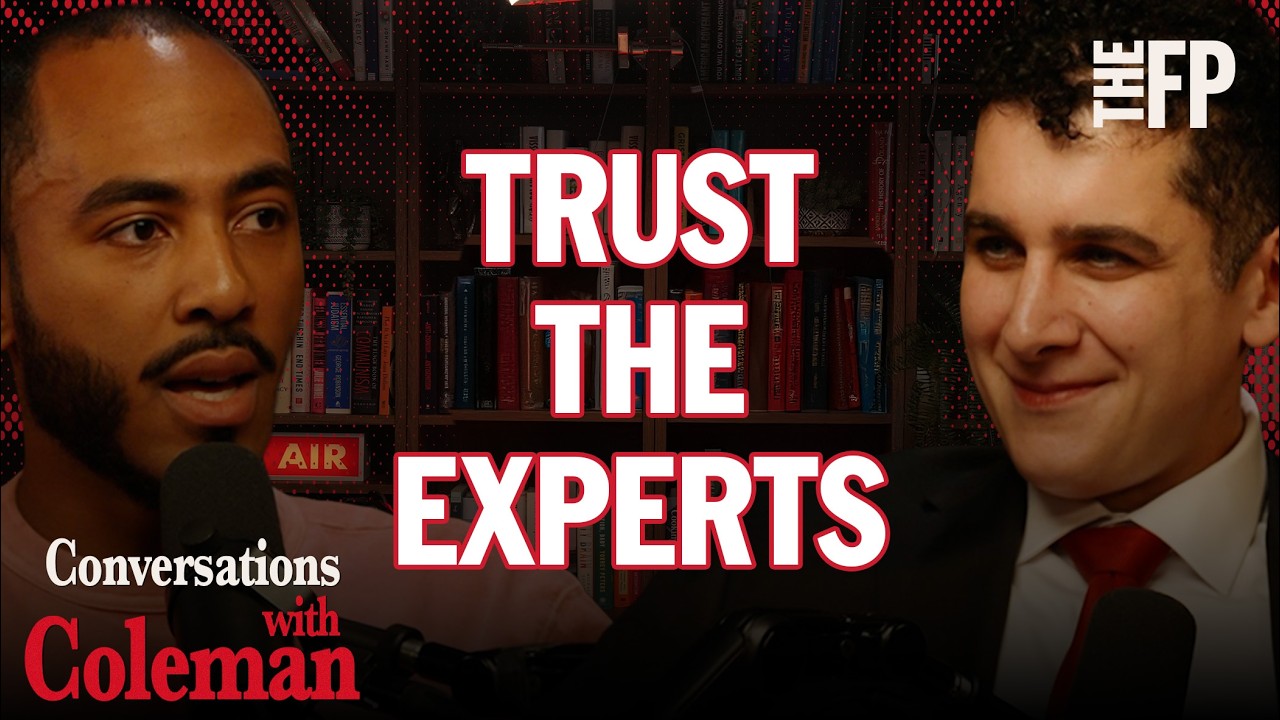
In Defense of Elites, with Richard Hanania

Coleman Hughes Official · 1h 17m · 3 Egleze moments
In Defense of Elites, with Richard Hanania
Episode summary

Coleman Hughes interviews political scientist Richard Hanania about his new book Kakistocracy, which critiques right-wing populism as rule by the worst. The conversation begins with Hanania candidly discussing his past as an alt-right white identitarian from 2009-2010, revealed by HuffPost in 2023, and his controversial decision to apologize despite pressure from right-wing allies. Hanania defines populism not by specific policies but by status games—whether power derives from elite institutions or direct mass appeal. He argues Joe Rogan and Donald Trump exemplify populists who bypass traditional gatekeepers, while figures legitimized by institutions like Harvard or the New York Times represent elites. Drawing on political science research, Hanania presents data showing populist governments consistently underperform on economic growth and democratic stability, with Argentina and Venezuela as prime examples of long-term populist failure. He contends that while elites made high-profile errors on issues like defund the police and trans athletes, these represent perhaps 10% of cases—the other 90% of the time, expert consensus proves correct. Using Joe Rogan's podcast as an example, he catalogs false beliefs from vaccine misinformation to ancient lost civilizations that populist media promotes. Hanania attributes populism's global rise not to elite failures but to communications technology—24-hour cable news, internet, and social media—that democratized information and gave previously fringe views like 9/11 trutherism political representation. He reveals research showing many foreign policy experts lack basic qualifications like speaking relevant languages. The conversation explores why populism skews right-wing (immigration and crime views create larger elite-mass gaps than economics), whether figures like Bernie Sanders qualify as left-wing populists, and how Hanania's Palestinian Christian heritage informs his perspective on Middle East conflicts and social conformity in non-Western societies.
Key points
Watch original episode More from Coleman Hughes Official

3 moments from this episode

Source-linked · editorially selected
01
Politics

Richard Hanania reveals his alt-right past and transformation from white identitarian

Richard Hanania discusses his past involvement in early alt-right movements starting in 2009-2010, including racist and white identitarian views he held under a pseudonym. He explains how these fringe views gradually became mainstreamed in Republican politics, and how his own transformation involved recognizing that his anger stemmed from personal issues rather than legitimate political grievances. He refused pressure from right-wing allies to avoid apologizing when these writings were exposed by HuffPost in 2023.

Read this moment →
02
Geopolitics

Foreign policy experts don't speak languages of countries they claim expertise in

Hanania reveals research showing many foreign policy experts claiming expertise in Middle Eastern countries don't speak Arabic or Farsi. He argues foreign policy expertise is inherently limited compared to fields like medicine because geopolitics is unpredictable and lacks opportunities for controlled experiments. This challenges the authority of DC think tank experts who shape American foreign policy despite lacking basic qualifications.

Read this moment →
03
Media & Journalism

Communications technology drives global populism more than elite failures researcher argues

Hanania presents polling data showing no correlation between populist attitudes in a population and populist political success, suggesting the rise isn't due to elite failures. Instead, he argues 24-hour cable news, internet, and social media democratized information flow, allowing previously marginalized views like 9/11 trutherism and anti-vaccine positions to find political representation. He traces how Fox News placement in cable lineups directly increased cultural issue prioritization.

Read this moment →