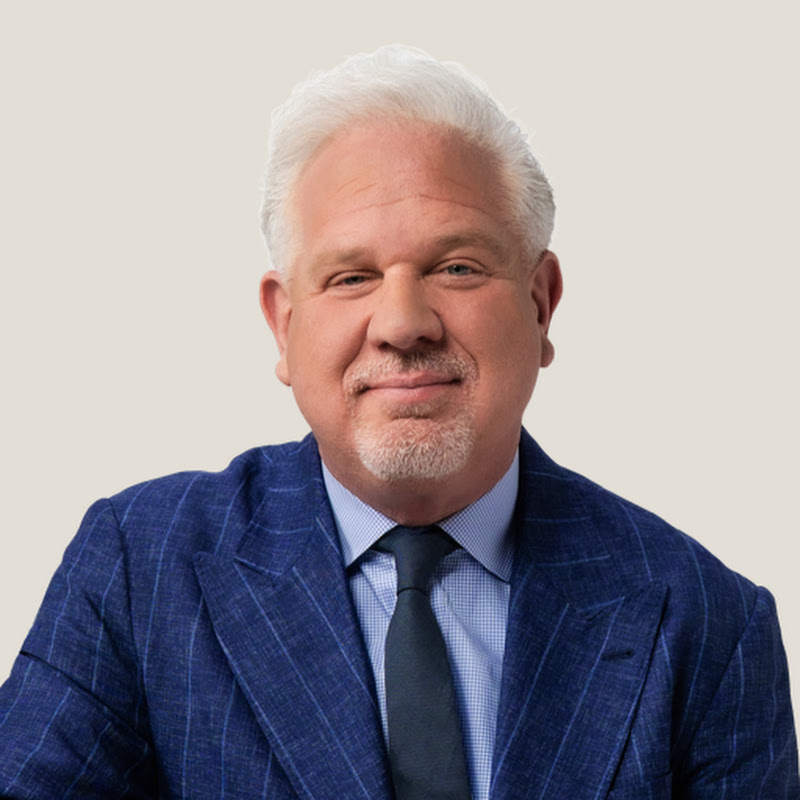
Glenn Beck
Episode overview

CNBC Has LOST It's Mind With This U.S. States Ranking...

Glenn Beck · 15 July 2026 · 14m · 2 Egleze moments
CNBC Has LOST It's Mind With This U.S. States Ranking... ▶

What happened in this episode?

Glenn Beck dismantles CNBC's 2026 ranking of America's worst states to live in, arguing the business network has abandoned economic criteria in favor of progressive social metrics. Beck targets CNBC's methodology, which downgrades red states like Texas, Tennessee, Oklahoma, Alabama, and Utah based on abortion restrictions, right-to-work laws, bathroom policies, and promotion of traditional families. He highlights the contradiction of CNBC calling Texas one of the worst states while acknowledging it leads the nation in attracting workers and businesses. Beck satirically questions what abortion access, transgender bathroom policies, and Nuclear Family Month have to do with business climate. He specifically mocks Tennessee being penalized for Governor Lee designating June as Nuclear Family Month and requiring people to use bathrooms matching their birth sex. Beck then creates his own satirical state rankings based on stereotypical blue-state preferences: states with fewest religious people and highest Hamas support (Massachusetts, New York, Vermont); states with highest obesity and illiteracy (West Virginia, Mississippi, Louisiana); and states with easiest drug access and highest homelessness (New Mexico, Nevada, Oregon, California). He concludes with states having fewest strip clubs, casinos, and liquor stores, noting Hawaii, Utah, Alabama, South Carolina, and Idaho rank lowest in vice-related businesses. Throughout the monologue, Beck argues CNBC's ranking reveals media bias positioning conservative social policies as business liabilities despite contradicting economic evidence of red-state growth and blue-state decline.

What are the key points?

Which topics are covered?

How is this page sourced?

Programme
Glenn Beck
Published
15 July 2026
Duration
14m
Original episode
Open the original source ↗

Egleze verifies the speaker, source and timestamp for each linked moment. Unless a moment is explicitly marked independently verified, statements remain attributed claims by the named speaker rather than established facts.

Watch original episode More from Glenn Beck

2 moments from this episode

Source-linked · editorially selected
01
Media & Journalism

CNBC Ranks Texas Among Worst States Due to Abortion and Worker Protections

at 0:00 · Attributed speaker claim
CNBC, this is a business, a business network, okay? And they are ranking now the top 10 worst states to live in for 2026. Texas, I love this. While Texas continues to lead the nation in attracting workers, those workers are finding a broad array of challenges when they get there.

Glenn Beck critiques CNBC's 2026 ranking of worst states for business, which places Texas, Oklahoma, Alabama, Utah, Tennessee, and other red states at the bottom. CNBC's criteria emphasize abortion restrictions, lack of union protections, and LGBTQ policies as business weaknesses. Beck argues these quality-of-life measures are irrelevant to actual business climate, pointing out Texas continues leading in attracting both workers and businesses despite CNBC's negative assessment.

02
Politics

Tennessee Designates Nuclear Family Month as State Falls Short on CNBC Rankings

at 4:45 · Attributed speaker claim
The state also explicitly bars localities from adopting their own anti-discrimination ordinances. To underscore the point, Lee signed a resolution designating June nuclear family month. God. You know what happens when you have a nuclear family? Businesses fall apart.

Glenn Beck sarcastically highlights CNBC's criticism of Tennessee for policies including bathroom laws requiring transgender people to use facilities matching their birth sex and Governor Lee's designation of Nuclear Family Month. CNBC cites these as reasons Tennessee ranks among worst states for business due to lack of inclusiveness. Beck mocks the premise that strong families and traditional values harm business climate.