Mike Drop
Episode overview

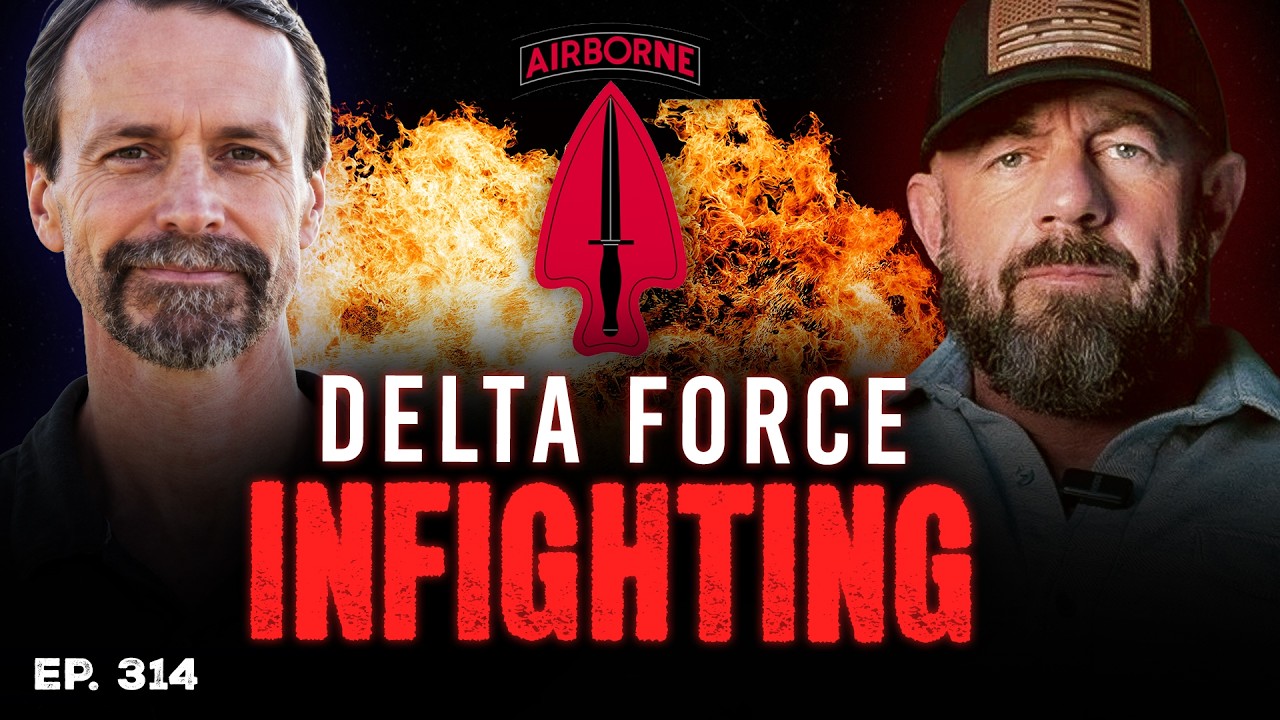
Delta Force Veteran Reveals Why Some Teammates Called Him a Traitor | Ep. 314

Mike Drop · 4h 23m · 4 Egleze moments
Delta Force Veteran Reveals Why Some Teammates Called Him a Traitor | Ep. 314 ▶

What happened in this episode?

Retired US Army veteran Tom Spooner, a former member of Delta Force and co-founder of the treatment centre Warriors Heart, speaks with host Mike Ritland about addiction, combat and long-term injury. Spooner says he began drinking aged 10 and later became a high-functioning alcoholic early in his Army career, describing blackouts and behaviour that damaged his marriage. He recounts getting sober in 1992 through Alcoholics Anonymous, crediting a sponsor, structured “step work” and a rebuilt faith life with his recovery and reconciliation with his wife.

He describes moving from the 82nd Airborne to 7th Special Forces Group, then attempting selection for Delta Force partly to avoid being pulled off a team role, and says teammates’ reactions ranged from support to being labelled a “traitor”. Spooner discusses entering Delta shortly after 9/11, the intensity of training, and later operational tempo: he says he completed 12 combat rotations and spent about 40 months in combat.

A central section focuses on Iraq in 2006, where Spooner recounts mortar strikes during an operation alongside conventional forces, including a blast he says caused a mild traumatic brain injury. He describes subsequent cognitive impairment and mood swings that contributed to his decision to leave service, and later treatment—claiming transcranial magnetic stimulation improved his quality of life by roughly 30%. Spooner also outlines the origins and model of Warriors Heart, which treats substance dependency and co-occurring trauma in military and first responder populations.

What are the key points?

Who is speaking?

Named speakers identified in Egleze's source-linked moments from this episode.

Which topics are covered?

How is this page sourced?

Programme
Mike Drop
Duration
4h 23m
Original episode
Open the original source ↗

Egleze verifies the speaker, source and timestamp for each linked moment. Unless a moment is explicitly marked independently verified, statements remain attributed claims by the named speaker rather than established facts.

Watch original episode More from Mike Drop

4 moments from this episode

Source-linked · editorially selected
02
Military

Tom Spooner recalls mixed support for his Delta selection attempt

Tom Spooner · at 1:51:20 · Attributed speaker claim
Half the guys are like, "Hell yeah, go for it." You know what I mean? And then the other half [ __ ] traitor.

Tom Spooner recalls that when he pursued Delta Force selection, reactions in his unit were split between encouragement and criticism. He says he experienced similar pushback when moving from the 82nd Airborne to Special Forces.

03
Health, Longevity & Biohacking

Tom Spooner recalls needing GPS for a three-turn drive home

Tom Spooner · at 3:29:34 · Attributed speaker claim
I'd have to put my address in the in the GPS to get from I mean it's three turns you know from the back gate to where I was living at that time.

Tom Spooner recalls that during his transition out of service he noticed worsening cognitive and memory problems. He says they became so severe he entered his home address into a GPS for a short, familiar drive.

04
Health, Longevity & Biohacking

Tom Spooner says transcranial magnetic stimulation improved his quality of life by 'minimum 30%'

Tom Spooner · at 3:49:01 · Attributed speaker claim
When I did eight my first eight weeks of that in 2017 man it improved my quality of life minimum 30%.

Tom Spooner says that after an initial eight-week course of transcranial magnetic stimulation in 2017, his quality of life improved by at least 30%. He adds that for him the benefits fade over time and he typically repeats the treatment every six to eight months, and says many peers he knows have reported positive experiences with it.