Episode summary
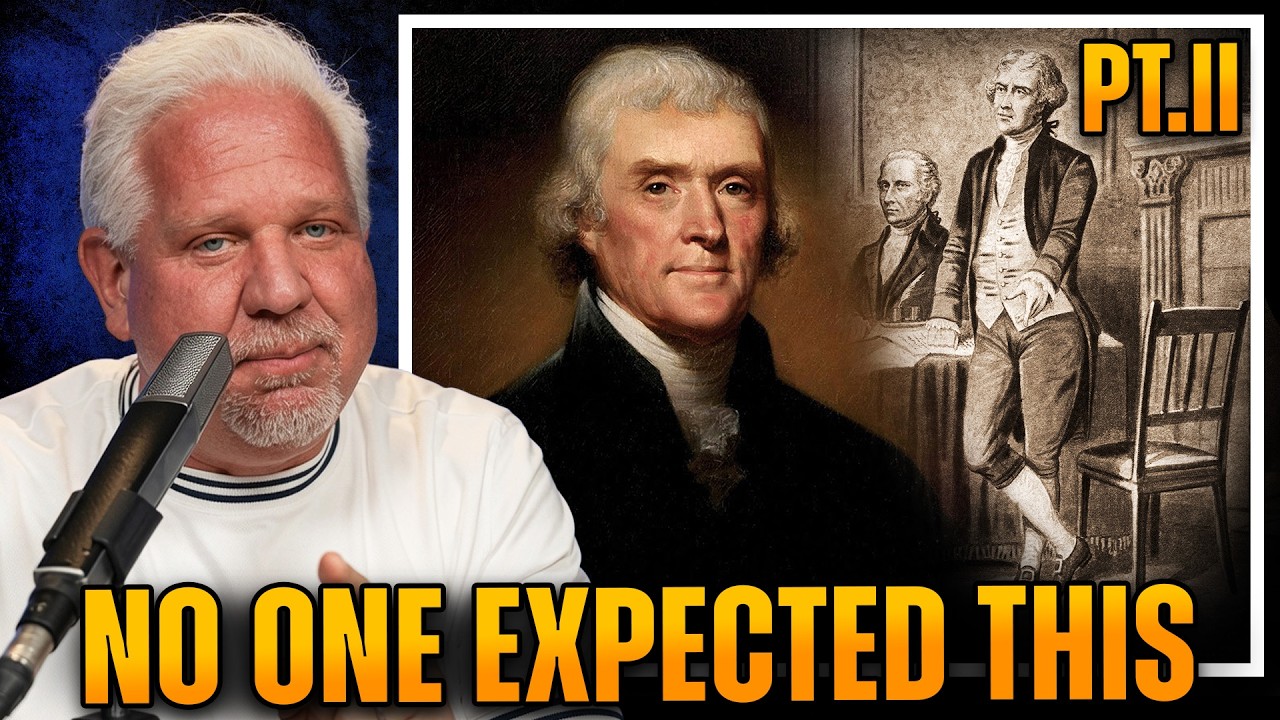
In this monologue, the speaker delivers a deeply humanizing account of Thomas Jefferson's creation of the Declaration of Independence, revealing personal anguish behind one of history's most celebrated documents. The speaker explains that Jefferson, often mythologized as a serene genius, was actually drowning in grief and reluctant to even be in Philadelphia during the spring of 1776. Jefferson's mother had just died that March, and he recorded her death with a single emotionless line in his account book—a sign of suppressed trauma. His wife Martha was gravely ill from complications of yet another miscarriage, and Jefferson desperately awaited word from Virginia while trapped in what he considered a routine congressional assignment. The speaker also recounts how John Adams, the driving force behind independence, deliberately refused the writing assignment despite knowing it would bring immortality. Adams gave three self-aware reasons: Virginia needed to lead, he was obnoxious and unpopular, and Jefferson could write far better. This act of ego subordination to the revolutionary cause is presented as extraordinary. Jefferson completed the draft in 17 days, alone, using a portable lap desk he designed himself, without opening a single book. He never intended the Declaration to be original, but rather to express what three million Americans already felt but had not articulated. The speaker argues that the Declaration's genius lies in its timelessness, not its historical specificity, and pushes back against progressive interpretations that confine it to the 18th century. The monologue emphasizes the 250th anniversary of the Declaration and frames it as the most important document in human political history, written by a heartbroken man who had no idea his words would outlive empires.