Episode summary
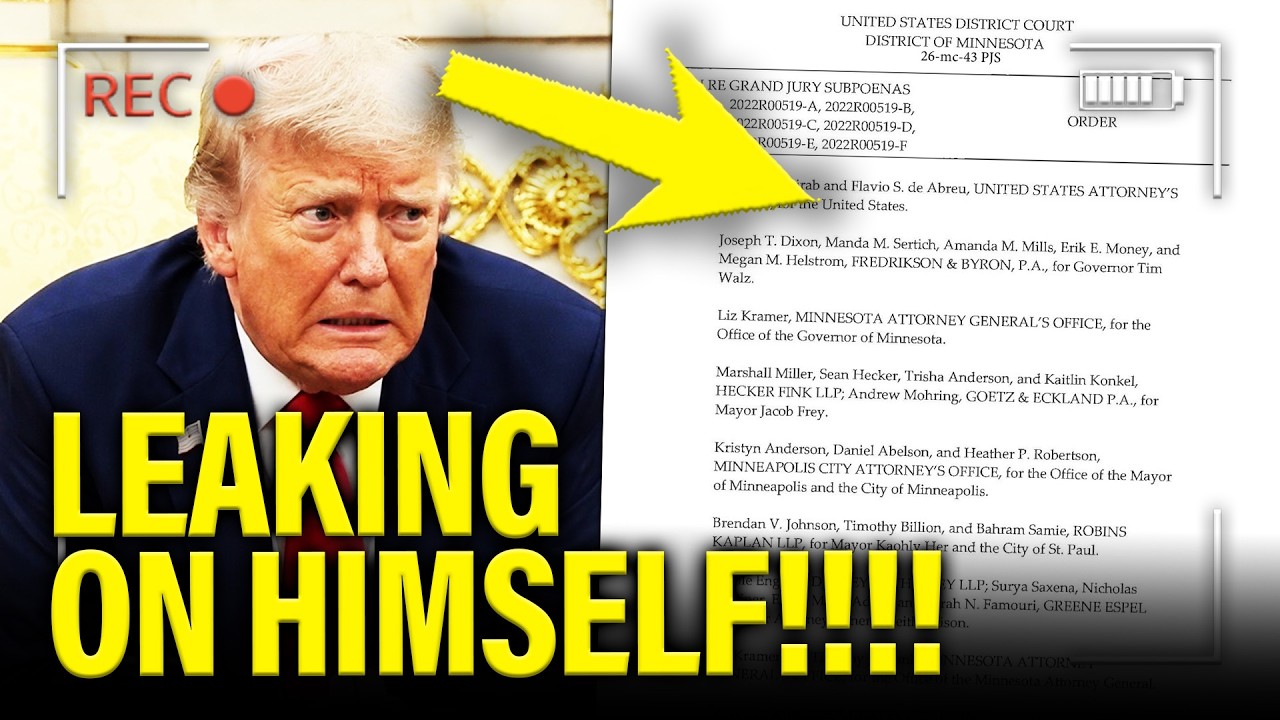
Ben Meiselas and constitutional law expert Harry Litman analyze a federal court ruling in which a George W. Bush-appointed judge quashed Trump DOJ grand jury subpoenas targeting Minnesota Governor Tim Walz and other state officials. Judge Schiltz ruled that Trump's Justice Department unconstitutionally attempted to weaponize the grand jury process to retaliate against Minnesota's sanctuary policies and coerce state cooperation with federal immigration enforcement, violations of the 10th Amendment's anti-commandeering principle. The judge cited Trump's own social media posts as direct evidence, including Trump's public threat of a day of reckoning and retribution against Minnesota officials who refused to assist ICE operations. The subpoenas sought sweeping records including all communications related to immigration enforcement dating back to January 2025, demands that Minnesota stop sanctuary policies, and access to state voter rolls under the guise of investigating allegations that state officials conspired with Antifa. Litman emphasizes that this case establishes important precedent on two fronts: Trump's public boasting created smoking gun evidence that pierced grand jury secrecy protections, and the ruling reinforces that the federal government cannot commandeer states to enforce federal immigration laws or retaliate against them for declining to help. The discussion highlights concerns that had Trump not publicly bragged about his retaliatory intentions, these unconstitutional DOJ tactics might have remained secret under normal grand jury confidentiality rules.