What happened in this episode?
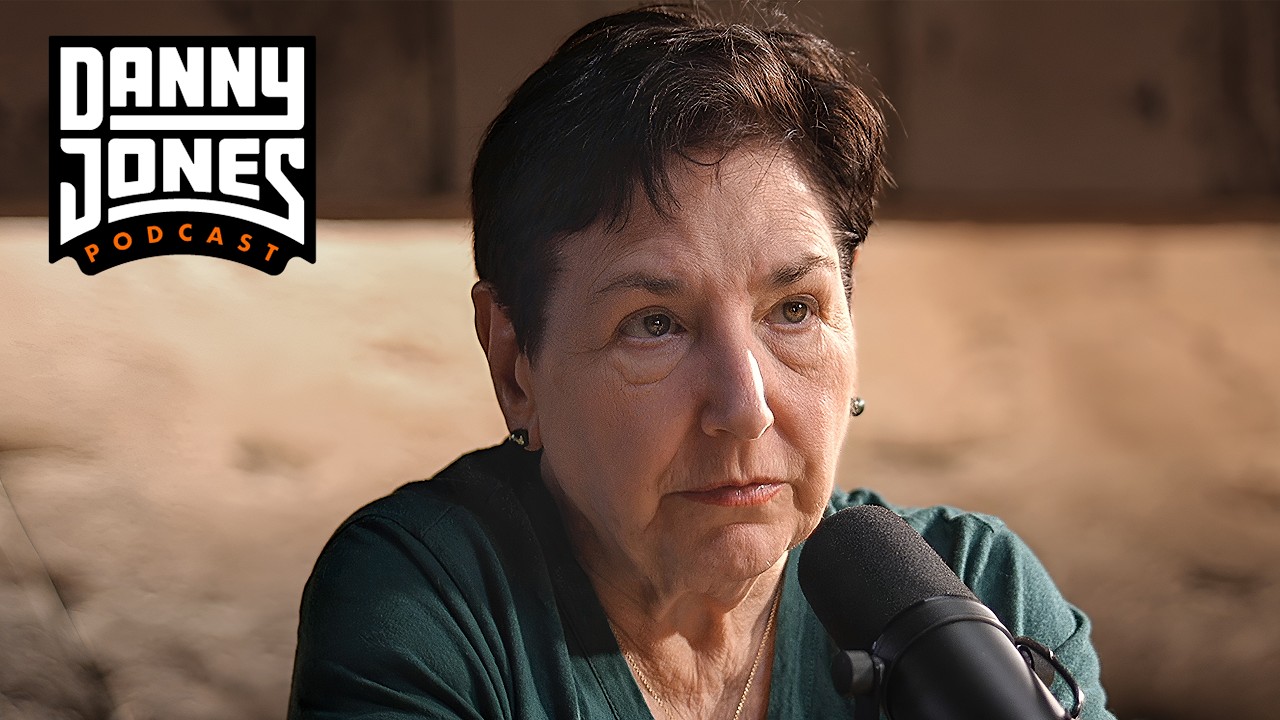
Danny Jones interviews writer and plague historian Wendy Orent about plague biology, bioweapons history, and a reported death of a young scientist at a Russian anti-plague institute. Orent recounts how her interest in plague grew out of reporting on Soviet biological weapons and a relationship with Soviet scientist Igor Domaradskij, whom she describes as a leading plague expert. She alleges that Soviet public-health achievements and offensive bioweapons work sometimes overlapped, including a claim that a figure associated with smallpox eradication also directed parts of the Soviet programme.
On the reported Siberian incident, Orent repeatedly flags limited information and describes her view as speculation. She suggests an accidental aerosol exposure in a laboratory as the simplest explanation and argues that Russia has a history of denying plague outbreaks while responding with aggressive quarantine and antibiotic prophylaxis.
Orent disputes popular claims that plague can easily be engineered into exotic “chimera” weapons, arguing that virulence is already extreme and that transmissibility genetics are poorly understood. She does, however, say antibiotic resistance and environmental “hardening” have been pursued, while contending resistance plasmids would be selected against without ongoing antibiotic pressure.
The conversation ranges across lab-leak history (including the UK’s Janet Parker smallpox case), a 2009 Chicago lab-acquired plague death, and broader treaty enforcement, with Orent arguing that verification under the Biological Weapons Convention is weak and that opaque military labs remain a concern. The episode closes with a discussion of vaccines, polio eradication, and the public-health consequences of politicised mistrust.