Modern Day Debates
Episode overview

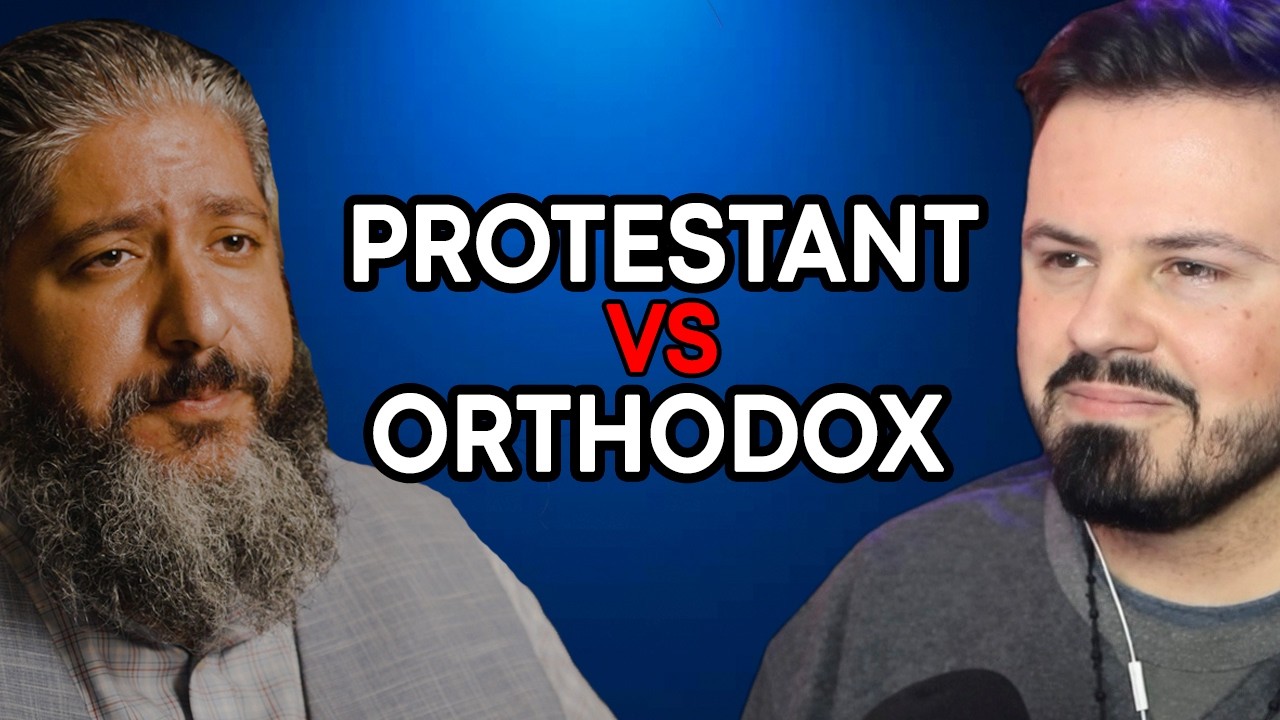
DEBATE: Baptists Vs Orthodox, Which Is Closer to the Early Church? Pastor Sam Farag V Alex Sorin

Modern Day Debates · 5 Egleze moments
DEBATE: Baptists Vs Orthodox, Which Is Closer to the Early Church? Pastor Sam Farag V Alex Sorin
Episode summary

Modern Day Debates hosted a two-hour theological debate between Alex Sorin, an Orthodox Christian and lawyer, and Pastor Sam Farag, a Reformed Baptist minister, on the question of which tradition is closer to the early church. The debate began with Sorin presenting seven biblical criteria he argued the early church must fulfill, including crushing the Roman Empire, maintaining unbroken succession, and remaining unified without schism. He challenged Pastor Sam to name a single Baptist believer between 100-1100 AD, arguing that the absence of such evidence proves Baptist theology lacks historical continuity. Pastor Sam countered that the church has always consisted of a faithful remnant of true believers, and that many Orthodox practices—including icon veneration, infant baptism, and prayers to saints—are later accretions unsupported by scripture or the earliest church fathers. The debate's most contentious exchanges centered on baptism, with Sam presenting evidence that prominent 4th century Cappadocian Fathers were baptized as adults, while Sorin cited earlier witnesses like St. Hippolytus and the Carthaginian synods supporting infant baptism. On the Eucharist, Sam conceded he could name no early church father who shared the Baptist symbolic view, though he maintained this doesn't invalidate his interpretation. Sorin pressed Sam on the Calvinist doctrine of salvation by divine decree, arguing no early Christian held such views and that all taught synergy between human will and divine grace. The cross-examinations revealed fundamental disagreements over sola scriptura, apostolic succession, church authority, and how to interpret both scripture and patristic writings. Sam defended congregational church government and the sufficiency of scripture, while Sorin argued the church as the pillar and ground of truth (1 Timothy 3:15) has binding authority preserved through episcopal succession. Both debaters maintained respect throughout, with Sam emphasizing his love for Orthodox Christians despite theological disagreement, and Sorin commending Sam's professionalism and willingness to engage seriously with Orthodox arguments.

Key points
Watch original episode More from Modern Day Debates

5 moments from this episode

Source-linked · editorially selected
01
Debates

Baptist Pastor Claims Monks Praying for Demon Possession Shows Orthodox Tradition Contradicts Scripture

Pastor Sam cited passages from the Ladder of Divine Ascent by St. John Climacus where monks pray to be possessed by demons as evidence of unbiblical practices in Orthodox monasticism. He argued this contradicts the Holy Spirit's indwelling and represents dangerous theology that should be rejected. Alex Sorin responded that this language is poetic and hyperbolic, similar to St. Paul saying he would accept being anathematized for his kinsmen, and that the entire text is about spiritual warfare against demons rather than inviting possession. The exchange highlighted fundamental disagreements over how to interpret patristic spiritual literature.

Read this moment →
02
Debates

Baptist Pastor Admits No Early Church Father Before 1100 AD Shared His Eucharist View

When pressed on whether any early church fathers shared the Baptist symbolic view of communion, Pastor Sam conceded he could not name a single figure from the first 1100 years of Christianity who agreed with his interpretation. This admission came after Alex Sorin cited Justin Martyr, Ignatius of Antioch, and the Didache as witnesses to real presence theology. Sam maintained that disagreement on the Eucharist does not disqualify someone from being a true believer, though he acknowledged the historical witness differs from his position.

Read this moment →
03
Debates

Debaters Clash Over Fourth Century Cappadocian Fathers Delaying Baptism Until Adulthood

Pastor Sam presented historical evidence that prominent 4th century church fathers including Basil the Great, Gregory of Nazianzus, and Gregory of Nyssa were all baptized as adults despite coming from devout Christian families. Sam argued this proves infant baptism was not the universal practice. Alex countered that these same fathers later taught infant baptism in their writings, and that adult baptism during this period reflected cultural concerns about post-baptismal sin rather than theological principle. The debate highlighted how both sides interpret the same historical evidence through different lenses.

Read this moment →
04
Debates

Orthodox Debater Argues Protestant Salvation by Decree Doctrine Had No Early Church Precedent

Alex Sorin launched a sustained critique of Reformed Baptist soteriology, arguing that the Calvinist doctrine of salvation by divine decree—central to Pastor Sam's theology—has no witness in the first several centuries of Christianity. Sorin contended that early Christians universally taught synergy between human will and God's grace, not monergistic salvation. He traced Calvinist views to medieval nominalism rather than apostolic teaching. Sam defended his position by arguing that God's sovereignty in salvation is taught throughout scripture, though he acknowledged it requires interpretation of biblical texts.

Read this moment →
05
Debates

Orthodox Apologist Claims Baptist Church Lacks Historical Continuity From Year 100 to 1100

Alex Sorin issued a direct challenge to Pastor Sam during the debate, demanding evidence of a single Baptist believer between 100 and 1100 AD. Sorin argued that the absence of such evidence proves the Baptist church lacks the historical continuity promised in Daniel 2:44, where God's kingdom is prophesied to last forever without being destroyed or replaced. Pastor Sam responded by claiming true believers existed as a remnant throughout history, though he could not name specific individuals who held Baptist doctrines during that millennium.

Read this moment →