What happened in this episode?
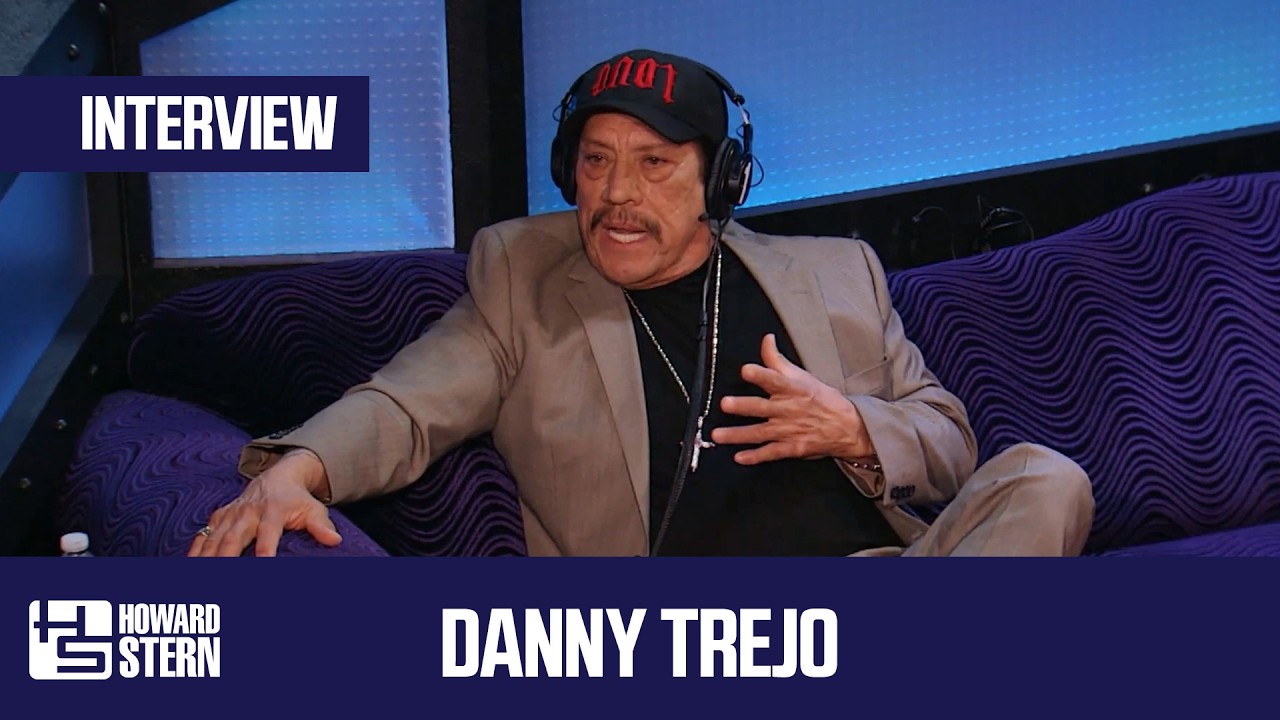
Howard Stern interviews actor Danny Trejo about his early life, criminal history, addiction and eventual transition into film work. Trejo describes childhood violence at home and the influence of an older uncle involved in armed robberies and heroin dealing, recounting his own youth offending, juvenile detention and later imprisonment in California facilities including San Quentin, Folsom and Soledad.
Trejo gives first-person accounts of prison life, including institutionalisation, solitary confinement, and how inmates navigate safety. He describes participating in a paid protection scheme with other prisoners, and alleges that many high-profile inmates pay extortion. He also claims prison contraband can be lucrative, alleging guards profit from selling cigarettes after smoking bans.
He discusses family matters, including a cousin who he says has served 34 years, was granted parole and then denied by the governor, and says the family is seeking a reversal. Trejo also recounts criminal details from his past, including selling sugar to a federal agent in a narcotics case and concealing cash and weapons before custody.
The interview turns to his recovery, noting he remained sober for years after kicking heroin in prison, worked as a drug counsellor, and got his first film break after visiting a movie set to support someone in recovery. He describes meeting writer Eddie Bunker and being hired to train actor Eric Roberts on Runaway Train, leading to a wider acting career and his later collaboration with Robert Rodriguez on the Machete character.