What happened in this episode?
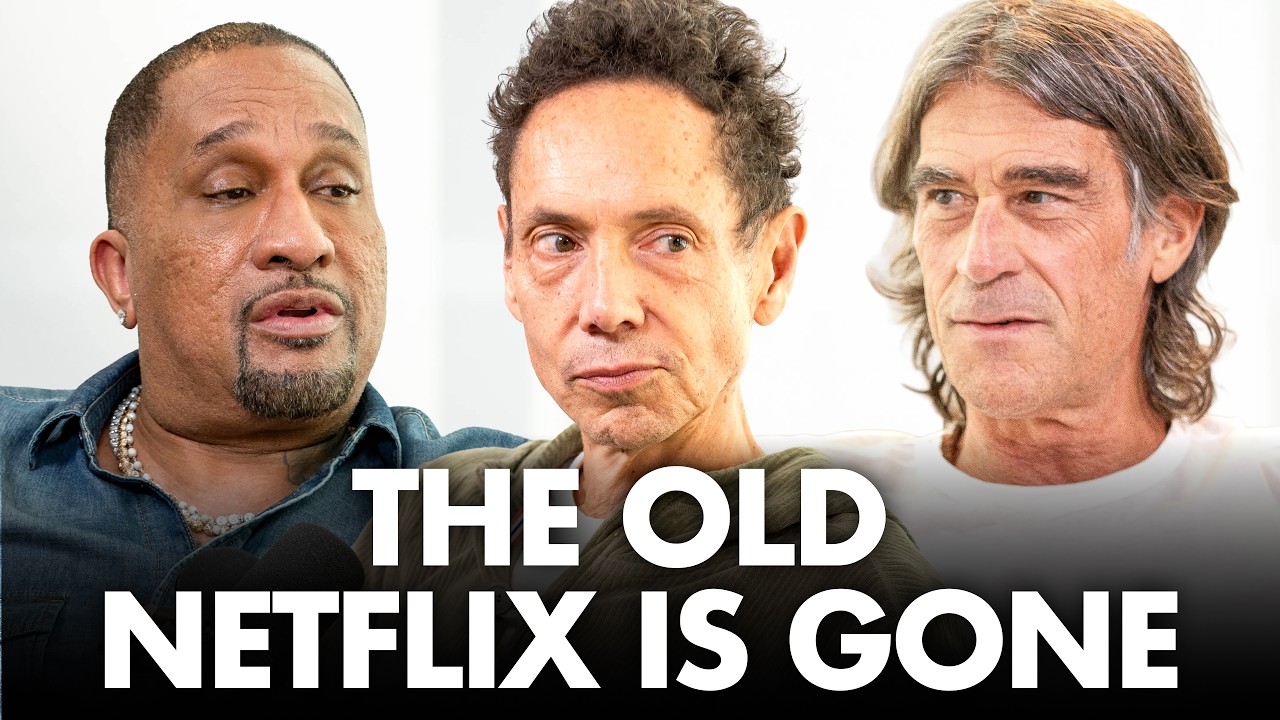
Rich Roll hosts Malcolm Gladwell and writer-producer Kenya Barris for a wide-ranging discussion about creative work, Hollywood dealmaking, and the changing media economy. Barris describes his upbringing and how family trauma informed his comedic instincts and storytelling voice, while also arguing for keeping creative ideas and business moves private to avoid “negative energy” and jealousy.
On the business side, Barris gives a detailed first-person account of leaving his Netflix arrangement and taking what he calls a “gamble” with BET/Paramount during the George Floyd era, saying the company offered him 50% ownership in a Black-owned studio. He says subsequent corporate upheaval left him unable to sell TV projects for four years, despite being, in his words, at the height of his career. Barris also recalls a 7am phone call from Netflix co-CEO Ted Sarandos over how remarks in a trade-press cover story were presented, saying a “CBS” comparison was pulled without context and later resolved.
The conversation turns to the creator economy and the decline of monoculture, with Barris arguing that high earnings for streamers can discourage the long apprenticeship traditionally required to become a “bankable” Hollywood star. Gladwell frames the moment as a broader shift from institutional careers to entrepreneurial, self-created platforms. Barris discloses he is working on a reimagining of The Truman Show at Paramount and claims—without evidence on the show—that Taylor Sheridan has a $2bn Universal deal waiting in 2028. He also shares a family crisis involving his teenage son’s drug treatment, linking it to fears around fentanyl overdoses.