What happened in this episode?
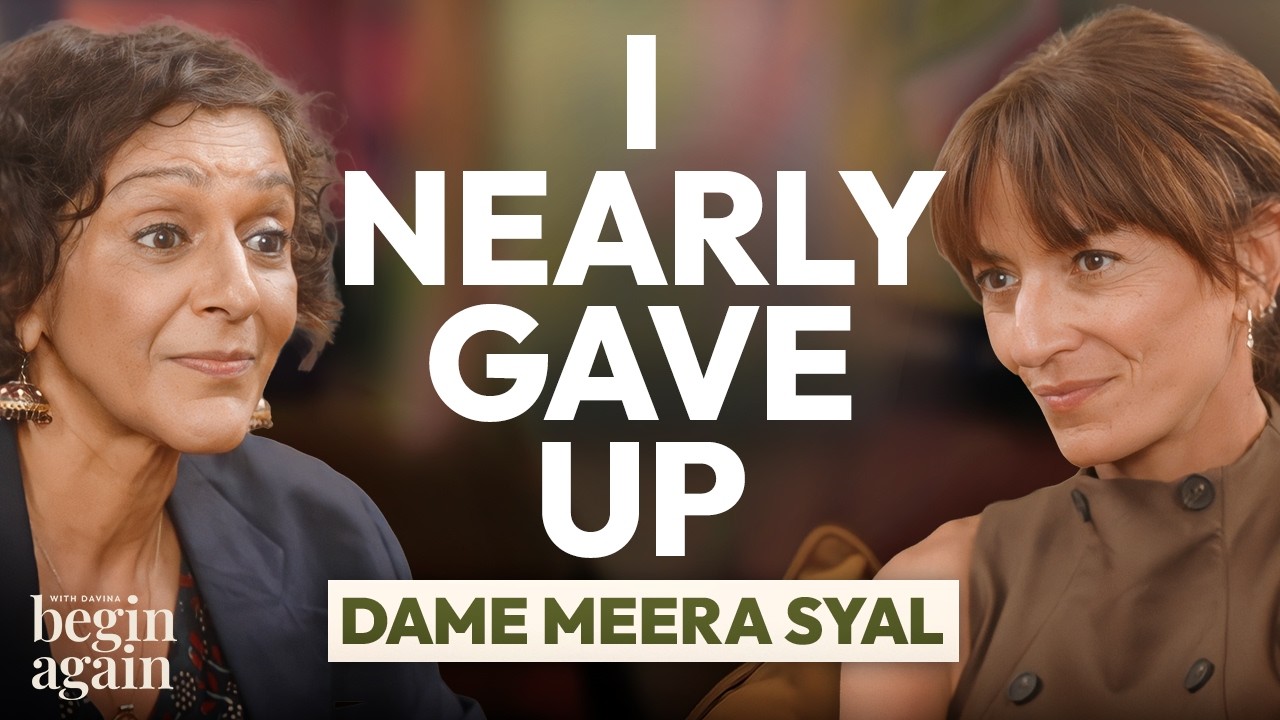
Davina McCall interviews Dame Meera Syal about family history, identity, work, and mid-life change, drawing on Syal’s memoir. Syal describes her parents’ interfaith relationship (Hindu and Sikh) and their move to Britain, recalling discrimination and the role of migrant communities in building support networks. She discusses being one of very few students of colour in theatre training and learning to read social situations and use humour as a form of protection.
On her career, Syal recounts creating a one-woman student play that later led to professional opportunities, and describes commissioning obstacles when pitching a British Asian sketch show that became Goodness Gracious Me. She also reflects on the personal strain and practical decisions involved in divorce, while noting that cases involving domestic abuse are different and may not allow amicable co-parenting.
A major section focuses on caregiving: Syal says her mother developed cancer and her father was diagnosed with Alzheimer’s within weeks, leading to a 12-year period she calls the hardest of her life. She describes the impact on family life, and says her father’s Capgras syndrome meant he could not recognise her mother, requiring separate care. Syal credits the Alzheimer’s Society with support and explains why she became an ambassador.
Syal also returns to history and politics, discussing Partition, colonial extraction, and her earlier ambivalence about accepting honours carrying the word “Empire”. In closing, she talks about including an account of sexual violence in her book, arguing that disclosure can help women who have stayed silent.