What happened in this episode?
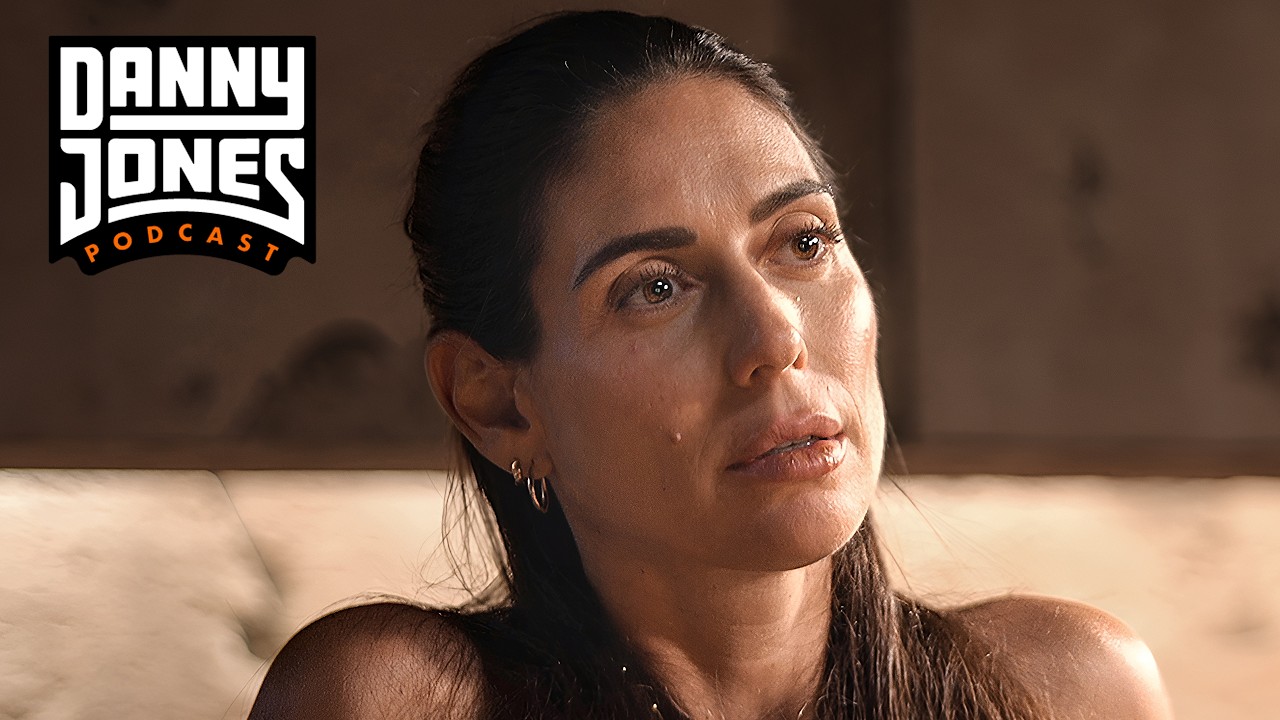
Freediver and spearfisher Valentine Thomas speaks with host Danny Jones about shark risk, fisheries regulation, and seafood supply chains, mixing personal experience with broader claims about sustainability and enforcement. Thomas recounts recent spearfishing while pregnant and describes how shark behaviour around divers can change when tourism and spearfishing pressure increases, including being chased out of the water by sharks. She also disputes viral social-media portrayals of tranquil shark encounters, arguing that sharks in the wild do not “hang out” around people unless food is present and suggesting some influencer footage relies on sharks being fed.
The discussion turns to fisheries management and market incentives. Jones outlines Florida’s individual fishing quota (IFQ) system for grouper/snapper and claims quota has become a leaseable, saleable asset, including to financial buyers, which he argues disconnects fishing communities from the value of the catch; Thomas agrees it has not materially changed. Thomas describes bluefin tuna rules as highly geographic, and gives an account of strict Canadian licensing and limits.
On sustainability, Thomas says the US is the best jurisdiction for seafood management and alleges some countries misreport or obscure catch data, naming China. Jones cites claims about illegal fishing and slavery risks in parts of the global seafood industry and the pair discuss farmed salmon practices and feed inputs such as krill. Later, they touch on online outrage dynamics, with Thomas saying public comment culture can distort how hunting and fishing are perceived.
The episode briefly references Australian proposals to allow users to opt out of algorithmic social feeds, and closes with Thomas saying she is scaling back social media while pregnant and raising children.