What happened in this episode?
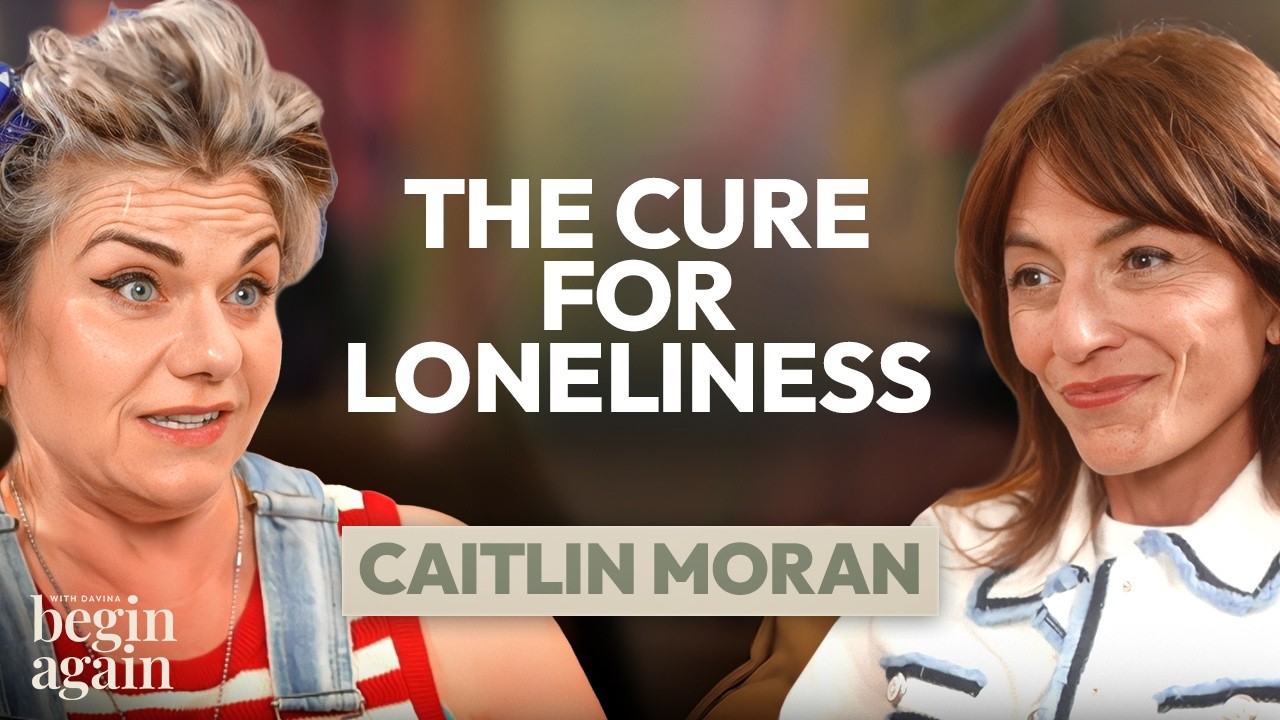
Davina McCall speaks with author and columnist Caitlin Moran about anxiety, hope, class mobility and the social effects of digital life, drawing heavily on Moran’s new book, How to Be Hopeful. Moran gives a detailed personal account of developing panic attacks at 13 after disclosing a family secret—living on disability benefits—and the fear that support could be withdrawn, describing how that sense of precarity shaped her behaviour and ambition.
Moran argues that contemporary culture rewards criticism over enthusiasm and says she is trying to cultivate “hopeful” habits through practical actions, including litter-picking and deliberately seeking small, local adventures. She criticises what she sees as the isolating nature of phone- and headphone-centred living, saying online communication is not a substitute for meeting people in person.
On media and technology, Moran says she reduced news consumption to protect her mental health, advocating slower, more contextual consumption and more attention to local reporting. She also cites a book by a former Facebook employee, alleging that signals of teenage insecurity—such as deleting selfies quickly—were packaged for advertisers to target vulnerable users.
Moran describes a turning point at 49 when she sought medical help and says prescribed beta blockers helped her stop waking with immediate anxiety, pushing back on the idea of being an “anxious person” as a fixed identity. The episode also includes lighter, celebrity-focused storytelling, including Moran’s account of a night out with Lady Gaga in Berlin and reflections on her long relationship with her husband, Pete Paphides.