
Everyday Spy
Episode overview

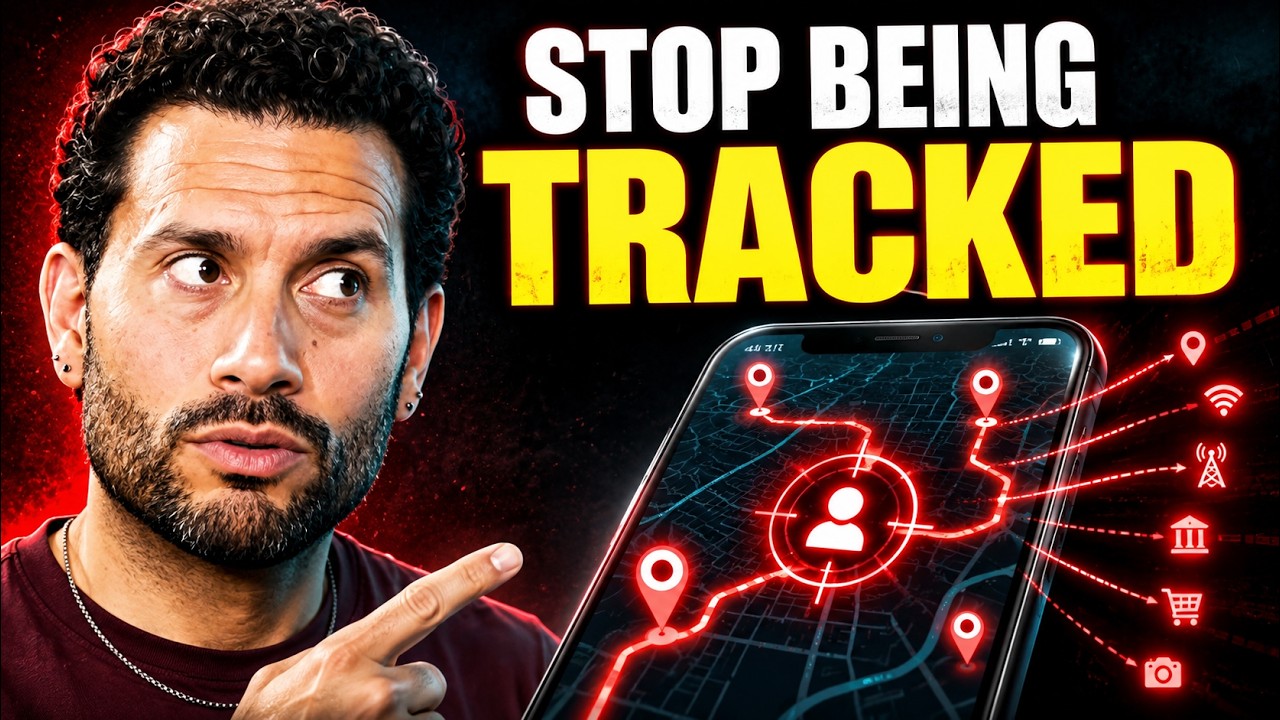
Your Phone Makes You Easy to Track — 3 Ways to Protect Your Privacy & Going Off Grid

Everyday Spy · 19m · 1 Egleze moment
Your Phone Makes You Easy to Track —  3 Ways to Protect Your Privacy & Going Off Grid
Episode summary

Former CIA officer Andrew Bustamante gives practical advice on how individuals can make themselves harder to track, focusing on what he calls “misattribution” and disrupting a predictable “pattern of life”. He suggests limiting how accurately public records reflect where someone actually sleeps or parks, and varying daily routines (routes, shops, gyms and times) to reduce the risk of surveillance or attack based on habit.

A major portion of the episode centres on smartphones. Bustamante claims devices can be tracked through several identifiers, including IMEI, advertising-tech IDs and email-linked tokens, and he alleges phones may emit signals even when powered off. He argues this data is collected largely through user permissions granted to apps and services, and says it is routinely monetised by companies for advertising and other commercial purposes.

Bustamante further alleges that intelligence agencies can access similar datasets by purchasing commercially held information, rather than compelling disclosure. He describes this as enabling large-scale pattern analysis and social-network mapping, not necessarily targeted spying on a named individual.

The conversation also turns to European security. Bustamante praises some EU member-state intelligence services but says he doubts they share extensively, urging Europe to decide whether it prioritises sovereignty or collective security and to commit to a clear framework. The episode closes with personal reflections on family, ambition, retirement, and what he would say in final words to his children and wife.

Key points
Watch original episode More from Everyday Spy

1 moments from this episode

Source-linked · editorially selected
01
Geopolitics

Andrew Bustamante says Europe must choose sovereignty or collective security

Andrew Bustamante argues EU states should make a clear, time-bound choice between long-term security together and long-term independence, saying pursuing both wastes resources. He claims the current lack of commitment benefits Russia and the US, and says strategic independence would require a concrete pact and sustained co-operation. Bustamante also praises France’s DGSE and Germany’s BND, while saying EU intelligence services do not share much information with each other.

Read this moment →