What happened in this episode?
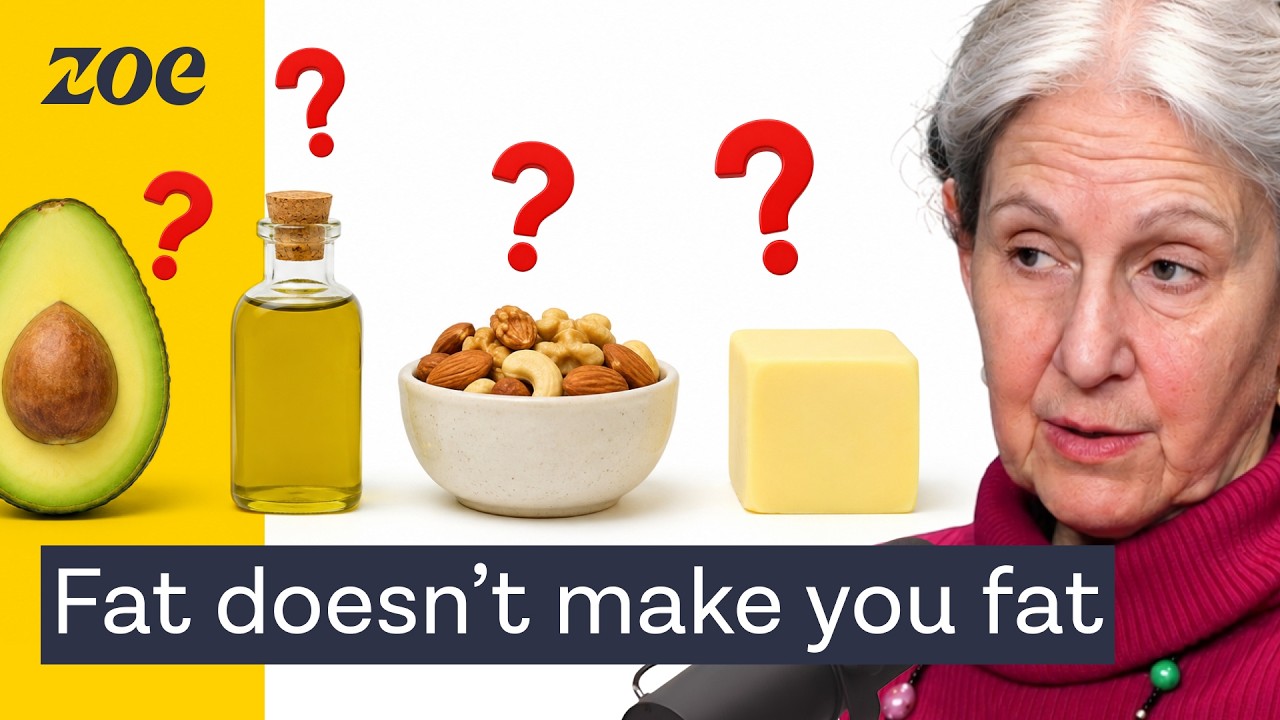
ZOE host Jonathan Wolf interviews Dr Alice Lichtenstein, a Tufts University professor and senior USDA scientist, about dietary fats, cholesterol, and cardiovascular risk. Lichtenstein explains why fats are handled differently from carbohydrates in digestion and transport, and distinguishes saturated, mono- and polyunsaturated fatty acids by their chemical structure and physical properties. She says higher-saturated-fat diets tend to raise LDL cholesterol compared with diets richer in polyunsaturated fats, while acknowledging the precise biological mechanisms are not fully understood.
On cholesterol, Lichtenstein argues that for most people the cholesterol content of food does not determine blood cholesterol levels, and that the balance of saturated versus unsaturated fat is more influential. She describes how LDL contributes to atherosclerosis via macrophages that take up cholesterol and form “foam cells”, narrowing arteries over time.
Wolf and Lichtenstein discuss how low-fat messaging in the 1990s coincided with an increase in refined, high-carbohydrate “fat-free” foods; she outlines how excess carbohydrate can drive higher triglycerides and contribute to cardiovascular risk. Lichtenstein recommends focusing on overall dietary patterns—more fruit and vegetables, whole grains, plant proteins, and appropriate fats—rather than simply lowering total fat intake. She also disputes popular claims about beef tallow and grass-fed beef as meaningful omega‑3 sources, advising people seeking omega‑3 to consider oils such as canola/soybean and oily fish. The episode closes with broader advice on “knowing your numbers” (blood pressure, glucose, lipids) and following clinical guidance where medication is recommended.