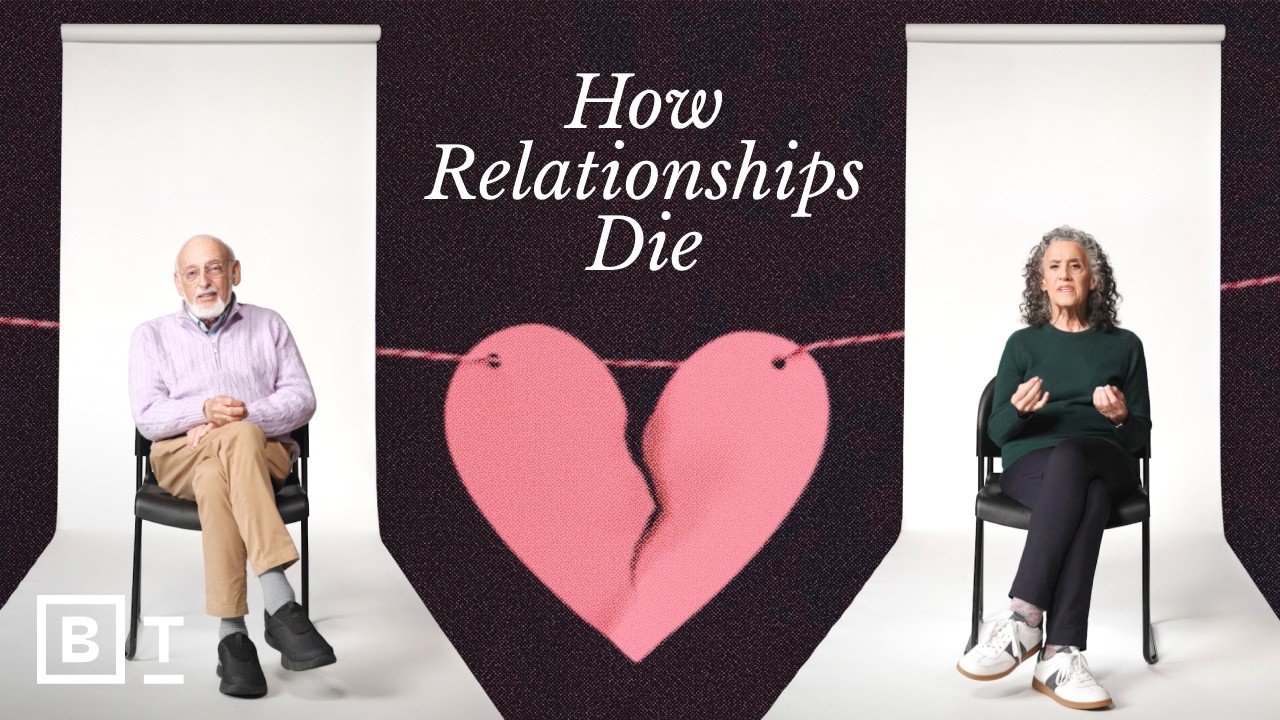
What happened in this episode?
Relationship researchers and clinicians John and Julie Gottman set out a research-driven account of how long-term partnerships deteriorate and how they recover. John Gottman describes lab methods he says were used to predict divorce outcomes, including measuring couples’ positive-to-negative emotional balance and identifying four corrosive interaction patterns—criticism, defensiveness, contempt and stonewalling—with contempt described as the strongest predictor of relationship “demise”. Julie Gottman expands on contempt as a behavioural posture of superiority and disrespect, and claims it is associated not only with relationship breakdown but also with downstream health effects for the recipient, including greater infectious illness over a four-year period.
The pair emphasise that many conflicts are “perpetual” and rooted in stable differences, arguing that successful couples manage these recurring issues with acceptance, humour and temporary compromise rather than escalation. John Gottman also highlights small moments of connection—“bids”—and cites a study finding that couples who later divorced turned towards bids far less often than couples who remained married. He further links relationship withdrawal and loneliness to physiological stress, including increased cardiac effort, and suggests such measures predicted early death in a longitudinal sample.
On repair, they argue that conflict itself can be healthy when handled with a “softened start-up”, responsibility-taking and deep listening. Julie Gottman outlines a staged approach to rebuilding trust after betrayal—atonement, rebuilding a “second marriage”, and reattachment—while both stress that repair attempts only work when they are recognised and received as genuine rather than manipulative. The episode closes with their view that friendship, affection, respect and deliberate choice are central to durable romantic love.