
Jocko Podcast
Episode overview

You Gave Your Kids a Smart Phone? Know This.

Jocko Podcast · 10m · 1 Egleze moment
You Gave Your Kids a Smart Phone?  Know This.
Episode summary

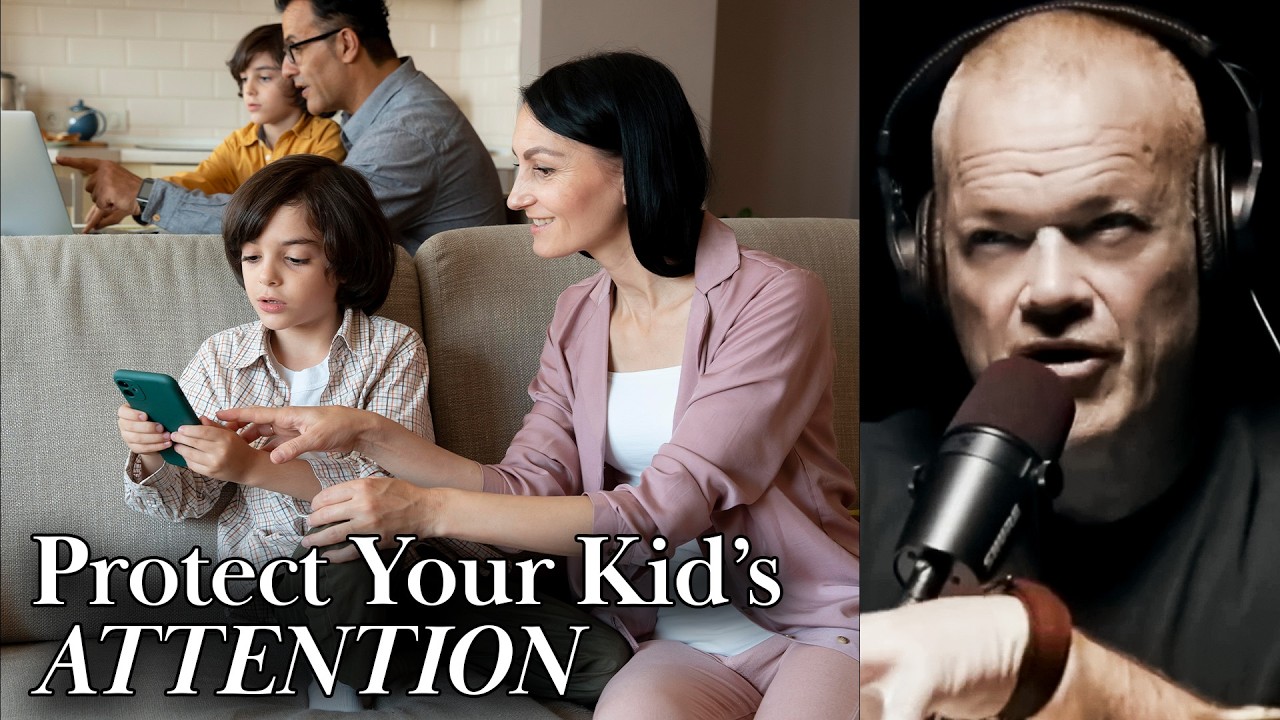
In this short Jocko Podcast episode, Jocko Willink and a guest discuss discipline, smartphones and gaming, and what they see as the difference between punishment and setting conditions for success. The guest argues that restricting a phone or videogames can be framed as reducing distraction rather than inflicting pain, while Willink says children sometimes need “course correction” but that large corrections often reflect earlier parental failures to make smaller adjustments.

They describe a practical example — a teenager repeatedly forgetting to take out the rubbish — to argue that reminders and an environment that supports success can be more effective than fear-based discipline. Willink then broadens the point into a values-and-identity approach: he says parents cannot be present during peer pressure situations, so children need an internalised identity (for example, “I don’t drink”) rather than compliance motivated by parental punishment (“my dad will kill me”). He compares this identity-and-reputation framework to military units, where he says a person’s self-concept and reputation can shape behaviour.

Willink also offers a personal reflection on mistakes he made as a parent, saying he sometimes imposed harsh punishments and later concluded they were often unnecessary. He recounts using “shunning” — refusing to speak or make eye contact — as a punishment that his children “hated”, and describes it as “awful”.

Key points
Watch original episode More from Jocko Podcast

1 moments from this episode

Source-linked · editorially selected
01
Relationships & Family

Jocko Willink says he used ‘shunning’ as punishment and regrets it

Jocko Willink says that when his children were younger he sometimes punished them by “shunning” them — refusing to talk to or look at them — and describes the tactic as “awful”. He frames his earlier reliance on heavy punishments as a failure of leadership on his part, arguing that parents should focus on building a child’s identity and decision-making rather than motivating behaviour through fear of consequences.

Read this moment →