
01
Military
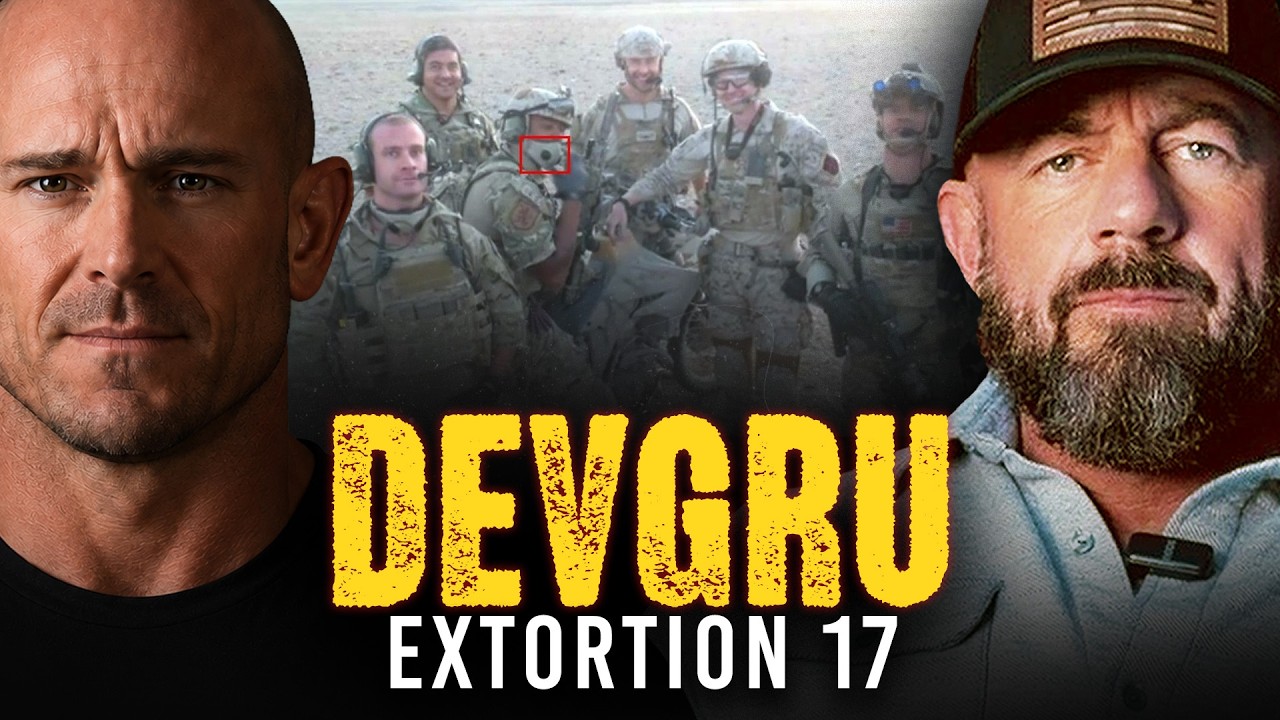
Mike Sarraille recalls learning Extortion 17 had wiped out his troop
at 18:39 · Attributed speaker claim
And uh when I I called and he said, "Call me back." I said, "Hey, I'm staring at a burning building." He said, "It's not a burning building. That's uh Jonas Lualu and the boys." And I'm like, "What do you mean the Jonas Lualu and the boys?" He said, "That that's their helicopter."
Former DEVGRU officer Mike Sarraille tells host Mike Ritland he was informed of the Extortion 17 shootdown within minutes while deployed in another region, after a friend in Afghanistan told him to go to his JOC and turn on a specific channel. Sarraille says the call quickly shifted from confusion to the realisation that the burning wreckage on-screen was carrying friends from his squadron, including Jonas Kelsall (referenced earlier in the episode).