The Ezra Klein Show
Episode overview

Ross Douthat: The Exit Interview | The Ezra Klein Show

The Ezra Klein Show · 11 August 2026 · 1h 12m · 2 Egleze moments
Ross Douthat: The Exit Interview | The Ezra Klein Show ▶

What happened in this episode?

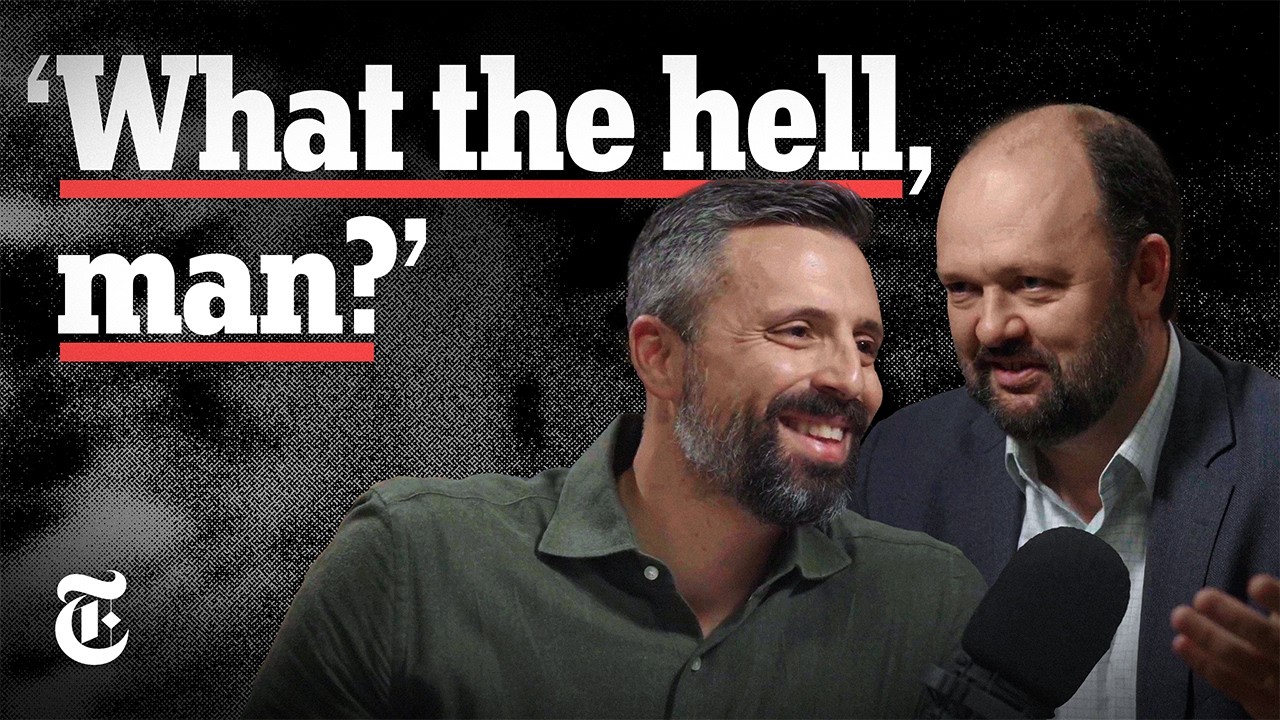
Ezra Klein interviews Ross Douthat ahead of Douthat’s departure from The New York Times to become a correspondent for 60 Minutes. The conversation ranges over the early-2000s blogging era, how online debate differed from today’s social-media incentives, and how that shift changed the “currency” of attention from cross-linking and argument to audience affirmation and dunking.

Douthat reflects on his long-running role as a conservative writing for mostly liberal audiences, arguing that persuasion requires engaging opponents’ strongest self-understanding rather than caricature. He revisits the “Grand New Party” diagnosis he made with Reihan Salam about the Republican Party’s working-class shift, saying Trump fulfilled elements of populist realignment via different emphases—tariffs and “bring back your jobs” rhetoric—while also creating what Douthat describes as an unsustainable entitlement posture that squeezed out family-policy ambitions.

On culture and religion, Douthat sketches what he calls a transition from a Bush-era religious right to a “post-religious right”, including conflicts between Christian ethics and a more amoral, dominance-focused politics. He also argues parts of the post-Christian left are reassessing the role of religion and moral language after the “woke” period.

Discussing his move, Douthat says he wants to do more interviewing as a way to understand a “weirder” world where he feels less certain about who is right in any given dispute. He also turns to uncertainty-driven beats—UAPs and AI—saying some Silicon Valley figures now think in three-year timelines because they expect a near-term “singularity”, a claim he remains sceptical of but expects will be tested soon.

What are the key points?

Which topics are covered?

How is this page sourced?

Programme
The Ezra Klein Show
Published
11 August 2026
Duration
1h 12m
Original episode
Open the original source ↗

Egleze verifies the speaker, source and timestamp for each linked moment. Unless a moment is explicitly marked independently verified, statements remain attributed claims by the named speaker rather than established facts.

Watch original episode More from The Ezra Klein Show

2 moments from this episode

Source-linked · editorially selected
01
UFO & Paranormal

Ross Douthat argues UFO allegations should be testable by journalists

at 1:09:33 · Attributed speaker claim
"With UFOs, like there are concrete claims made about objects that operate in physical reality that are observed by let's say Navy aviators and there are other concrete claims about supposed secret programs that the federal government has. And those are questions that journalists should be able to answer."

Ross Douthat argues that UAP/UFO reporting differs from personal paranormal accounts because it involves claims about physical objects and alleged secret US government programmes. He says journalists should be able to investigate such assertions rather than treat them as permanently unknowable.

02
AI & Tech

Douthat predicts Silicon Valley’s “three-year” AI timelines will be tested soon

at 1:10:24 · Attributed speaker claim
I know people, smart people in Silicon Valley who talk about all human timelines now in terms of like 3 years, right? They're like, oh, if you don't do it in the next 3 years, you're not, you're not going to do it because the singularity is coming. Now, I'm skeptical of that argument, but we're going to find out, right, over the next 3 years whether those kind of singularity believers are right or not.

Ross Douthat says some people he knows in Silicon Valley frame major projects around a three-year horizon because they expect a near-term “singularity”, though he adds he is sceptical. He argues the scale and danger of AI will become clearer quickly, because society will “find out” in a short timeframe whether rapid transformation claims are correct.