What happened in this episode?
Julian Dorey speaks with YouTuber Tommy G about his confrontational, access-heavy style of political and street reporting, including filming in US congressional offices and pressing lawmakers on stock trading and foreign policy. Tommy G recounts interviewing Congressman Adam Smith and alleges Smith supported formalising US–Israel military collaboration on the basis that existing co-operation would simply be “put… on paper”, a position Tommy G describes as difficult to reconcile with Smith’s stated criticism of Benjamin Netanyahu.
The conversation also turns to policing and criminal justice. Tommy G describes a ride-along with Clayton County sheriff’s deputies in Georgia, where he says officers repeatedly initiated stops on minor pretexts such as “loitering” at a petrol station, then escalated to searches and arrests after claiming to smell cannabis or discovering contraband. Both speakers debate the trade-offs between proactive enforcement in high-crime areas and civil liberties concerns about probable cause.
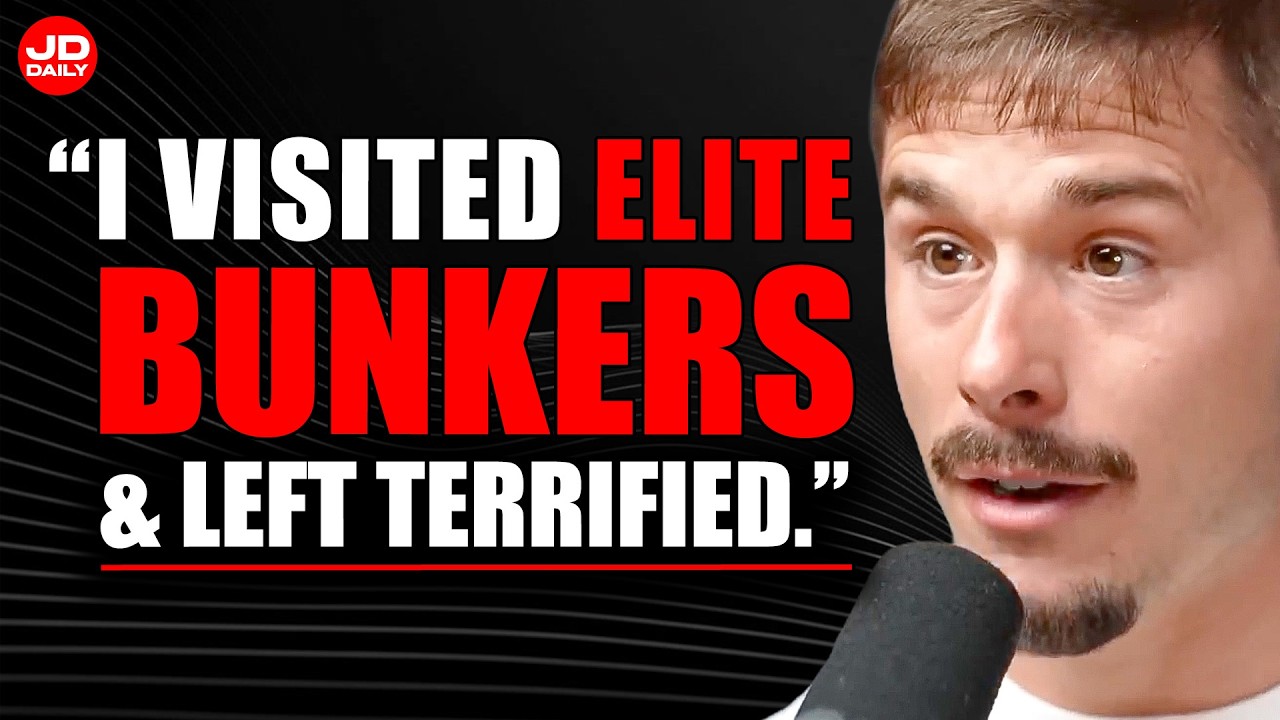
Later, Tommy G discusses elite security anxieties and ‘bunker culture’, referencing an interview with a bunker entrepreneur who, he says, claimed high-profile clients and interest from figures connected to Covid-19 vaccine development; Tommy G flags that he cannot verify those assertions. The episode closes with reflection on how covering corruption, conflict and crime has made Tommy G more cynical and desensitised, and how he tries to balance that work with family life and time in nature.