Mike Drop
Episode overview

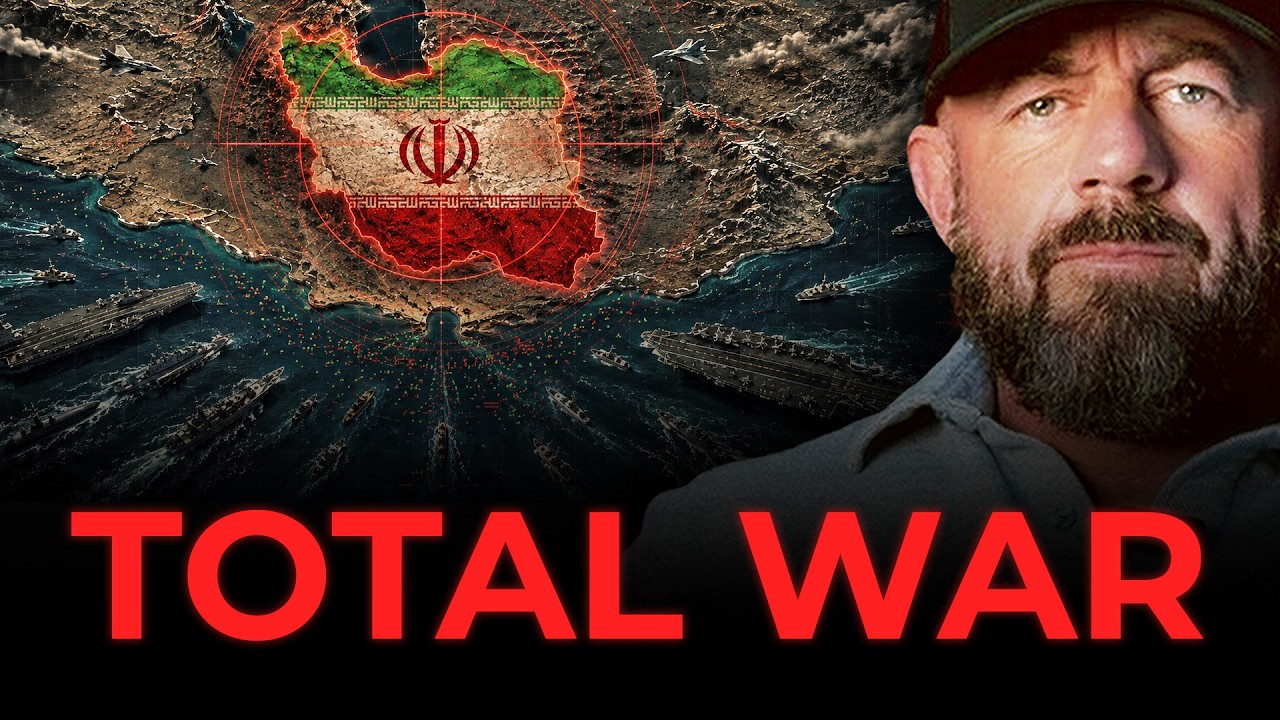
MILITARY STRATEGIST: Why Trump Is Weighing a Land Blockade of Iran

Mike Drop · 1 August 2026 · 22m · 3 Egleze moments
MILITARY STRATEGIST: Why Trump Is Weighing a Land Blockade of Iran
Episode summary

Mike Ritland interviews military strategist John Spencer about strategy and messaging around a US confrontation with Iran focused on the Strait of Hormuz and non-proliferation. Spencer argues that the continuing disruption risk in Hormuz is driven less by Iran’s ability to physically “close” the waterway and more by credible threats that push insurers and shippers to demand military escorts. He claims a blockade prevented Iranian oil exports from leaving, while attacks and threats still created costs and delays for commercial tankers.

Spencer says the US military has the capability to open the strait “by force” if ordered, but frames presidential decisions as balancing resources, casualties, and ripple effects on Gulf partners and consumer prices. He describes deterrence as requiring both capability and demonstrated will, and faults inconsistent public messaging for distorting perceptions of control.

The conversation turns to US priorities: Spencer ranks non-nuclear proliferation and freedom of navigation as core interests, and discusses how victory should be measured against stated objectives rather than regime change. He also addresses Iran’s proxy warfare, calling the strike on Qassem Soleimani “amazing” but belated. On nuclear proliferation, Spencer argues China and Russia cannot openly transfer a nuclear weapon to Iran without breaching international order, while acknowledging states can still provide enabling technology. He situates Iran within broader great-power competition, including economic pressure and currency influence.

Key points
Watch original episode More from Mike Drop

3 moments from this episode

Source-linked · editorially selected
02
Geopolitics

John Spencer says Iran oil exports were fully stopped under blockade

Military strategist John Spencer tells Mike Ritland that a US-led blockade of Iran was, in his telling, effective enough to prevent any Iranian oil shipment from leaving, while still leaving shipping exposed to disruption threats in and around the Strait of Hormuz. He frames the continuing risk less as Iran physically closing the waterway than as insurers and shippers responding to credible threats, requiring escorts and driving up costs. The remarks are presented as his account of operational outcomes and strategic trade-offs, but no sourcing is provided in the clip.

Read this moment →
03
Geopolitics

Strategist claims Iran targeted Gulf partners, including Qatar LNG, to deter action

John Spencer claims Iran shifted to attacking Gulf partners early in a conflict, including what he describes as the world’s largest LNG facility in Qatar, as part of a deterrence-by-chaos strategy linked to the Strait of Hormuz. In his account, the aim was to pressure regional states and international shipping indirectly, rather than attempting to physically close the strait. The segment offers no corroborating detail on dates, damage, or attribution beyond Spencer’s assertion.

Read this moment →