Episode summary
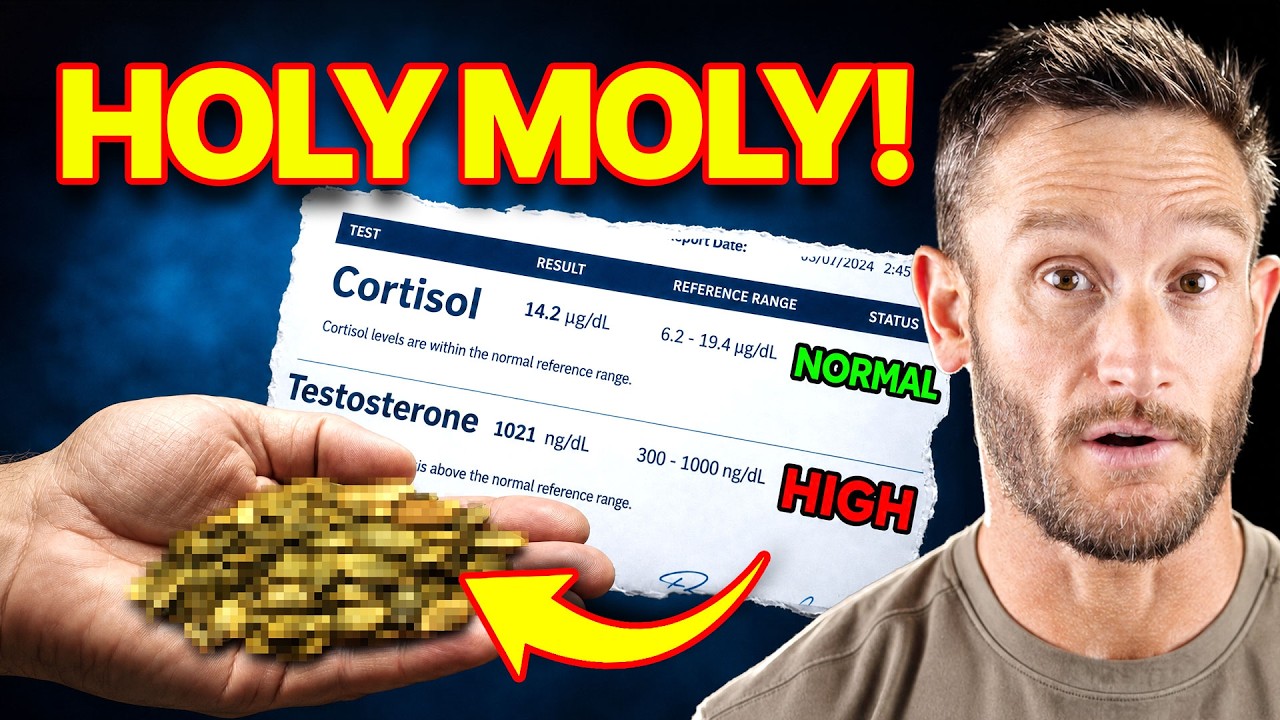
Thomas DeLauer argues that pumpkin seeds can support men’s hormone health primarily through zinc intake, and he frames zinc deficiency as a potentially common, reversible contributor to suppressed testosterone in older men. He describes testosterone synthesis in Leydig cells and says zinc acts as a cofactor for 17-beta hydroxysteroid dehydrogenase, citing a study he says found marginal zinc deficiency associated with a large fall in serum testosterone, and a supplementation arm where restoring zinc sufficiency increased testosterone levels.
He then discusses aromatase (testosterone-to-estradiol conversion), referencing rodent-model findings he says show zinc deficiency increased hepatic aromatase activity and altered hormone receptor densities; he notes limitations of animal data while asserting the mechanism is biologically plausible. DeLauer also claims alcohol can upregulate aromatase and recommends gut-focused strategies (fibre and fermented foods) to support oestrogen metabolism, before pivoting into a product plug for a probiotic with a discount link.
In the latter half, DeLauer focuses on delta-7 sterols in pumpkin seeds and their interaction with 5-alpha reductase and DHT, connecting these pathways to male pattern hair loss and benign prostatic hyperplasia. He cites an RCT he says reported improved hair counts with pumpkin seed oil, while acknowledging the formulation was proprietary, and he references a longer trial in people with lower urinary tract symptoms where ground pumpkin seeds outperformed an extract on symptom response. He concludes with practical dosing suggestions (a 30 g handful of seeds) and lifestyle levers such as body fat and alcohol reduction.