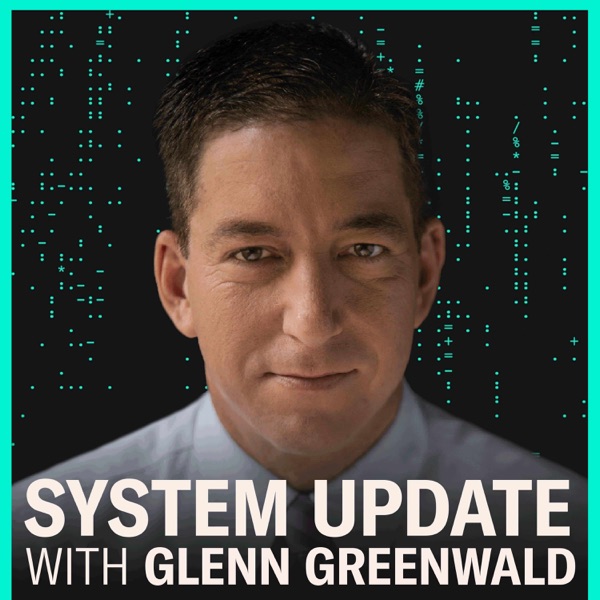
Glenn Greenwald
Episode overview

Socialists SWEEP NYC, Tucker Apologizes to Muslims, Europe's Russia Hate, "Chinamaxxing" & More

Glenn Greenwald · 25 June 2026 · 2 Egleze moments
Socialists SWEEP NYC, Tucker Apologizes to Muslims, Europe's Russia Hate, "Chinamaxxing" & More ▶

What happened in this episode?

Glenn Greenwald hosted his Thursday Night Q&A from his newly redesigned studio, fielding subscriber questions on the New York City Democratic primary earthquakes, Tucker Carlson's evolving worldview, and the roots of Western animosity toward Russia. The episode opened with extended analysis of Tuesday's shocking primary results where three DSA-aligned candidates backed by Mayor Zohran Mondani decisively defeated Democratic establishment incumbents, including Dan Goldman who lost by 30 points to Brad Lander. Greenwald argued the victories signal not just anger toward AIPAC and Israel, but broader frustration with a political class disconnected from working-class priorities and obsessed with foreign wars. He noted that two winners, Claire Valdez and Daryliza Chevalier, represent rare left-wing opposition to Ukraine war funding and called AIPAC's brand so poisonous it now operates through shell PACs. Greenwald then pivoted to praising Tucker Carlson for repeatedly and publicly admitting fundamental errors in his past worldview, including his belief that Islam posed a unique civilizational threat. He contrasted Carlson's candor with figures like Christopher Hitchens who justified ideological shifts without genuine accountability. In the final segment, Greenwald addressed a question about U.S.-Russia hostility by recounting his 2013 trip to Moscow where Russian officials explained why Putin refused to trade Edward Snowden despite substantial U.S. offers, citing both cultural identity and deep institutional hatred between the two nations' security establishments. Greenwald described lingering Cold War animosity and the Russiagate scandal as having injected virulent anti-Russian sentiment into American liberalism that persists today despite being largely discredited.

What are the key points?

Which topics are covered?

How is this page sourced?

Programme
Glenn Greenwald
Published
25 June 2026
Original episode
Open the original source ↗

Egleze verifies the speaker, source and timestamp for each linked moment. Unless a moment is explicitly marked independently verified, statements remain attributed claims by the named speaker rather than established facts.

Watch original episode More from Glenn Greenwald

2 moments from this episode

Source-linked · editorially selected
01
Politics

New York DSA Candidates Valdez and Chevalier Won Congressional Seats Opposing Ukraine War Funding

at 48:26 · Attributed speaker claim
One of the three candidates that Mondani endorsed who won, Daryliza Chauvallier, actually explicitly opposed US funding of the war in Ukraine. And another, Claire Valdez, though she didn't explicitly do it, a lot of what she's saying is clearly implying it, talking about sending billions of dollars overseas to weapons manufacturers to fuel foreign wars.

Greenwald highlighted that two newly elected DSA congressional candidates in New York City represent a rare left-wing opposition to U.S. Ukraine war funding. Daryliza Chevalier explicitly opposed sending hundreds of billions to arms manufacturers for the Ukraine conflict, while Claire Valdez strongly implied similar views. This breaks with near-total Democratic Party unanimity on Ukraine funding since 2022.

02
Espionage

Greenwald Claims Russian Officials Said Putin Couldn't Trade Snowden Due to Cultural Identity

at 59:24 · Attributed speaker claim
The idea that Russia gives refuge to Western dissident, to whistleblowers, to leakers, to dissidents, is very embedded in the Russian identity. It's like a very Russian thing to do. Had Putin given Snowden back, just handed Snowden back to the United States, huge numbers of Russians would have been angry and would have been like, this is not— this is a very un-Russian thing to do.

Glenn Greenwald revealed that during his 2013 trip to Moscow, Russian officials told him the Kremlin refused to trade Edward Snowden despite substantial U.S. offers because granting refuge to Western dissidents is deeply embedded in Russian national identity dating back to the Cold War. He said officials also cited institutional hatred between American and Russian deep state factions as preventing any deal, even when mutually beneficial.